Strenuous | 7 Days | 5 Nights Camp + 1 Night Hotel | Max 8 Trekkers | Ultimate Expedition
Salkantay Trek & Classic Inca Trail Hike 7-Days
7-Day Salkantay Trek & Classic Inca Trail to Machu Picchu
Walk the full Andes, from glacier to jungle to the Sun Gate, with no shortcuts.
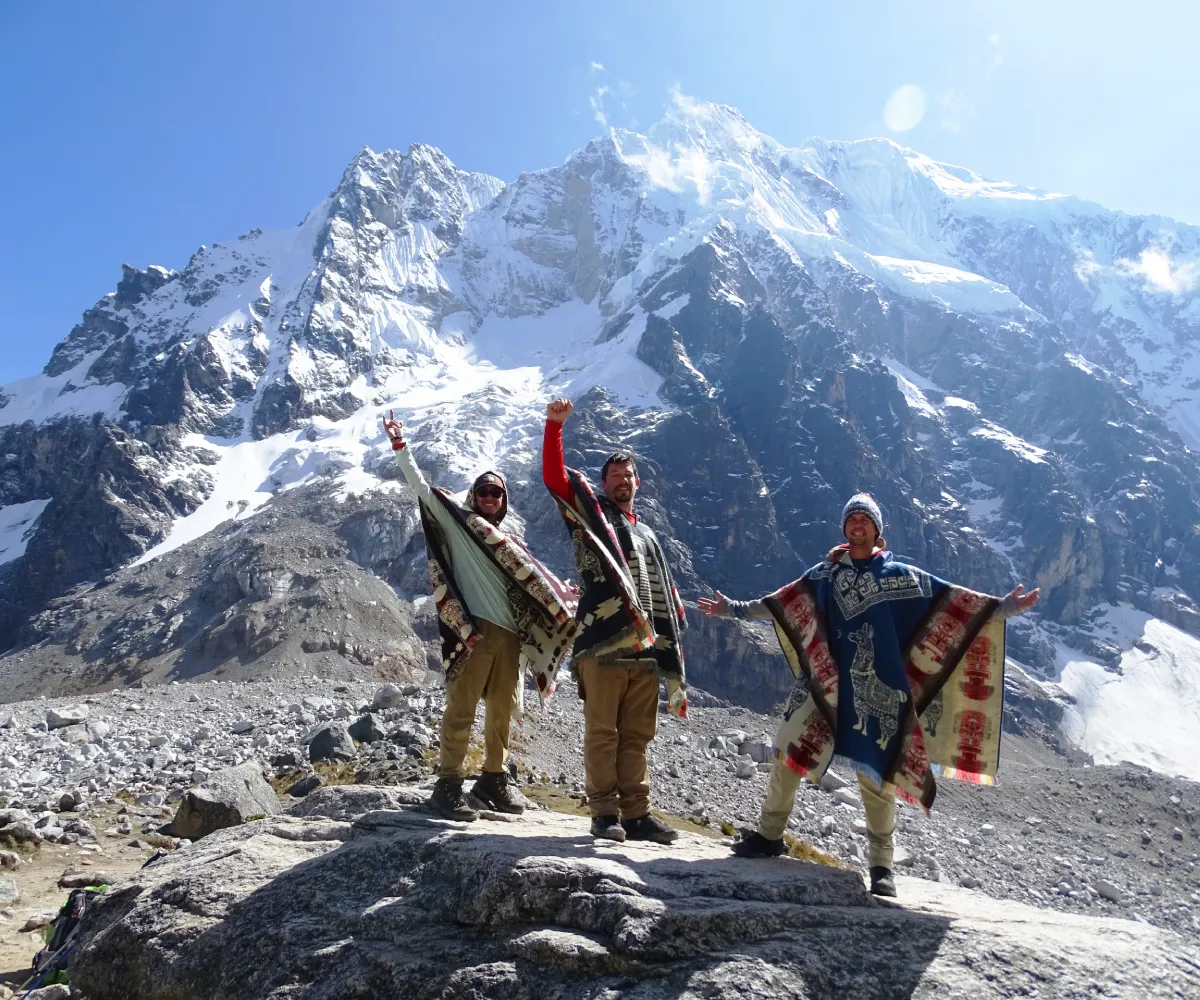
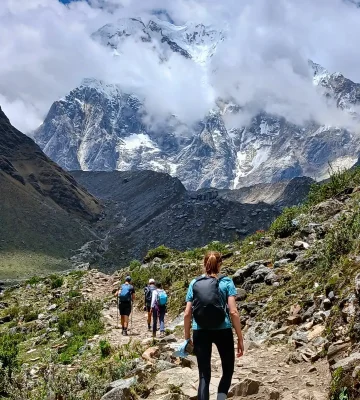
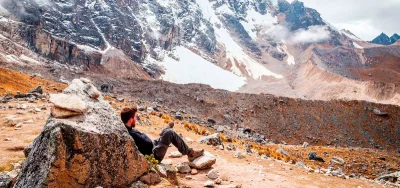
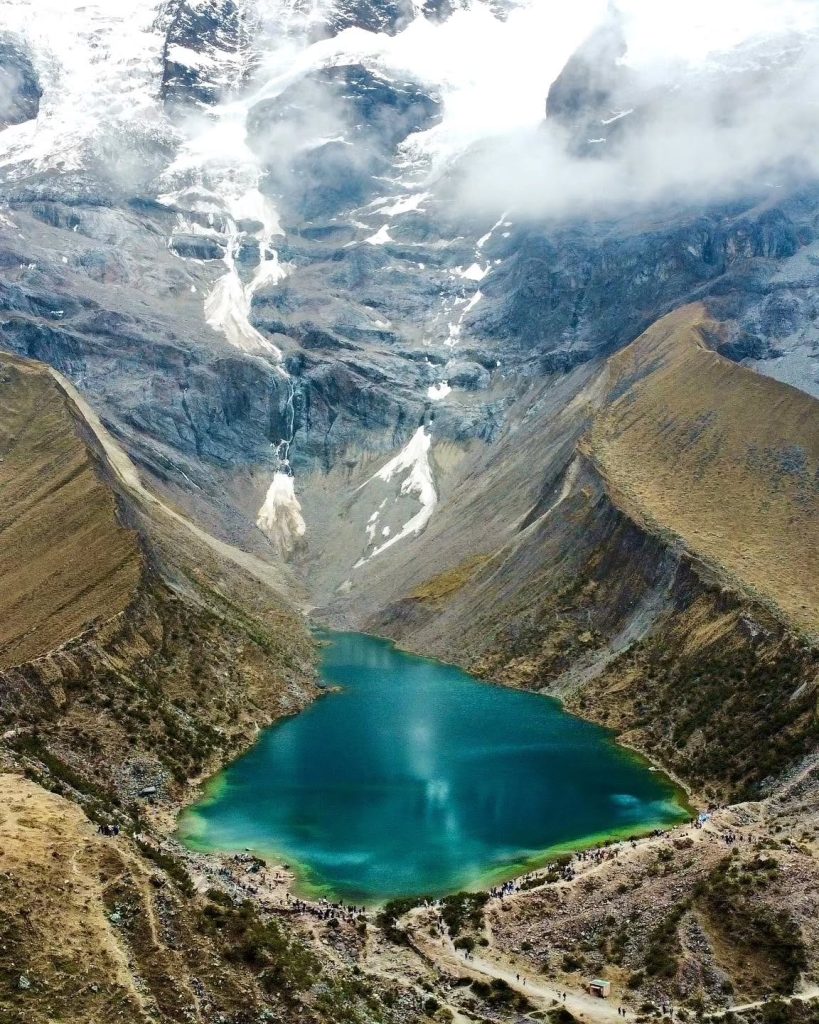
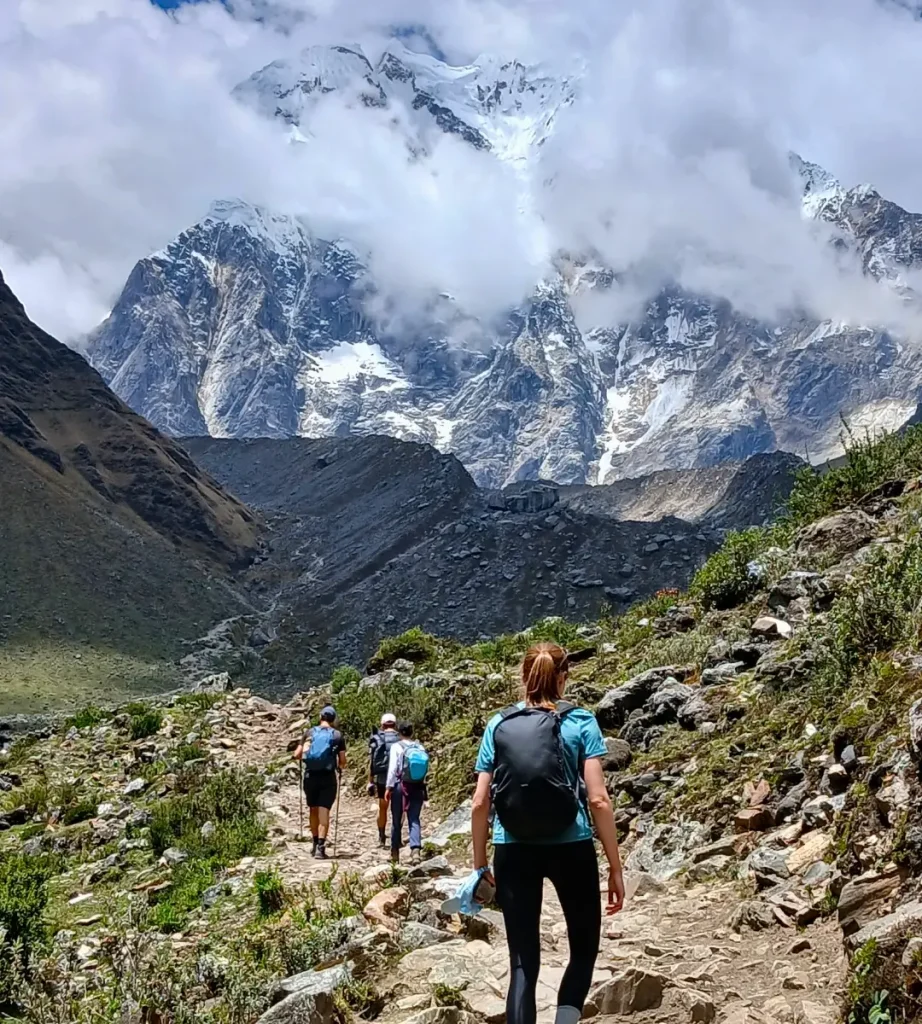
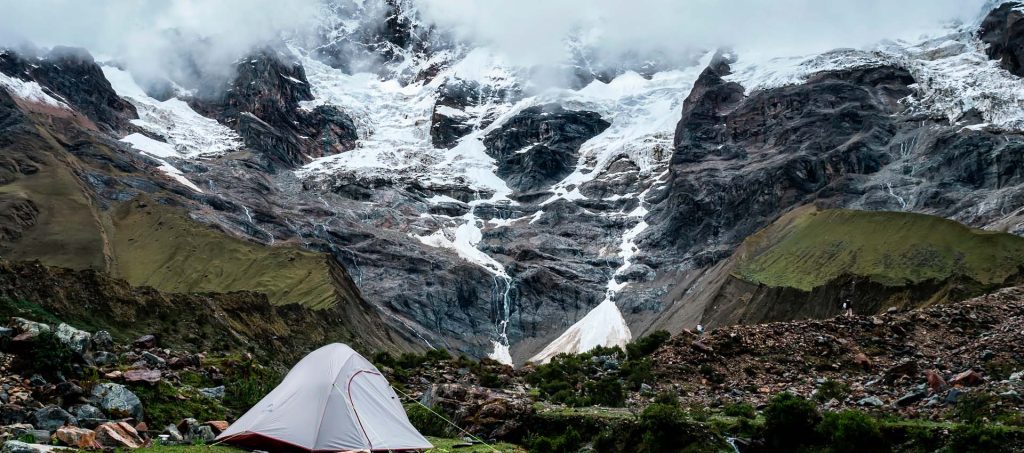
This is not two separate treks stitched together. This is one continuous 75 km foot journey that links the remote Salkantay highlands with the original Inca stone highway to Machu Picchu. You start beneath the ice of Salkantay at 6,277m, cross the wild Incachiriasca Pass at 4,880m where almost no one goes, then drop into the Vilcabamba range before joining the Classic Inca Trail at Wayllabamba.
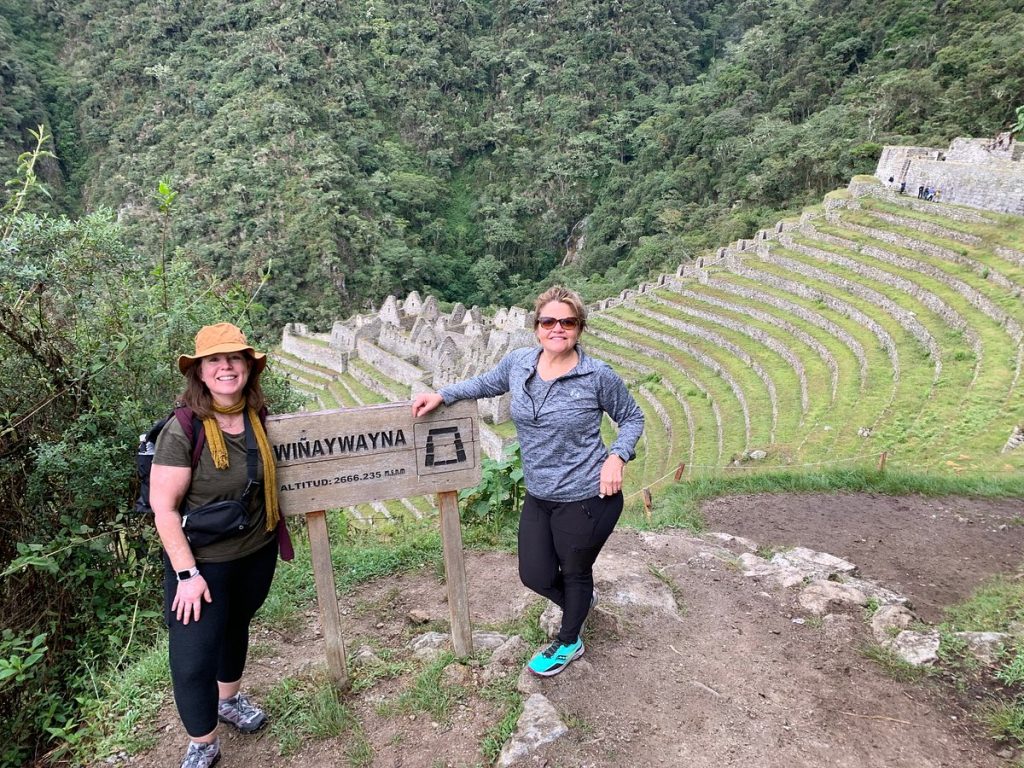
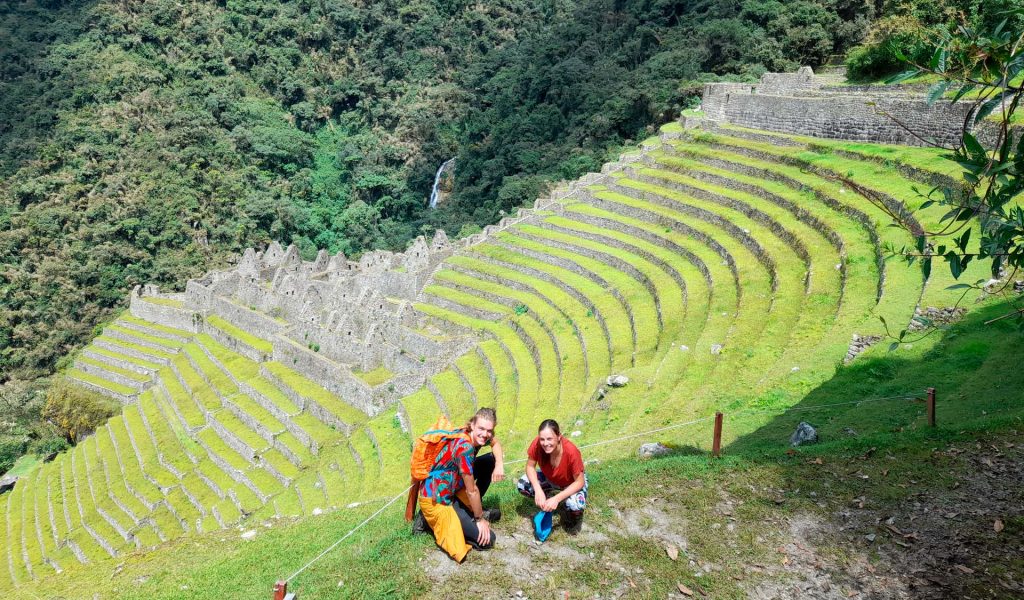
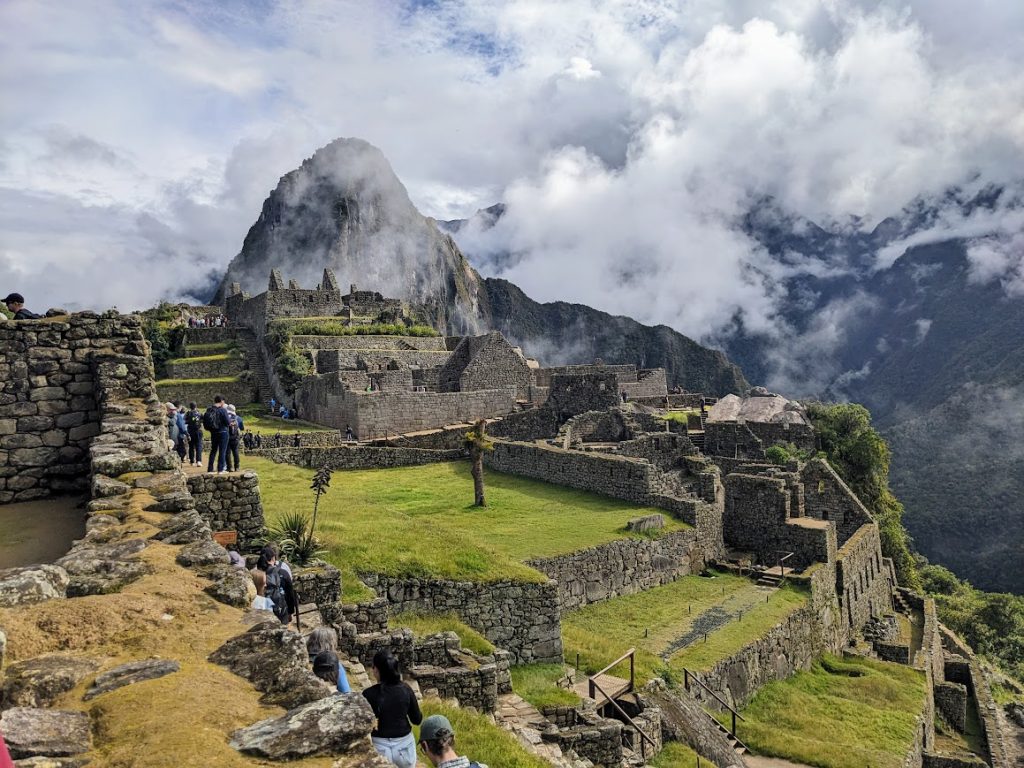
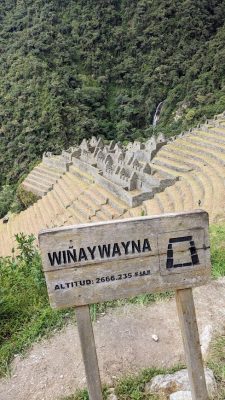
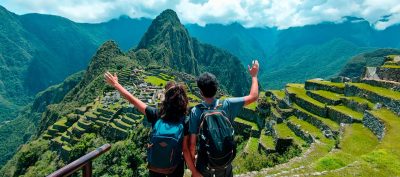
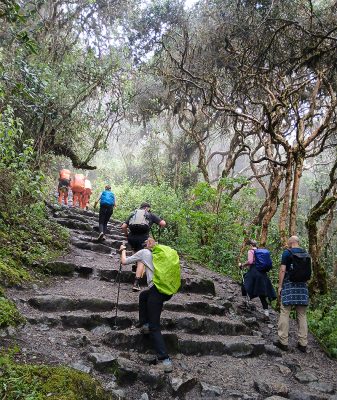
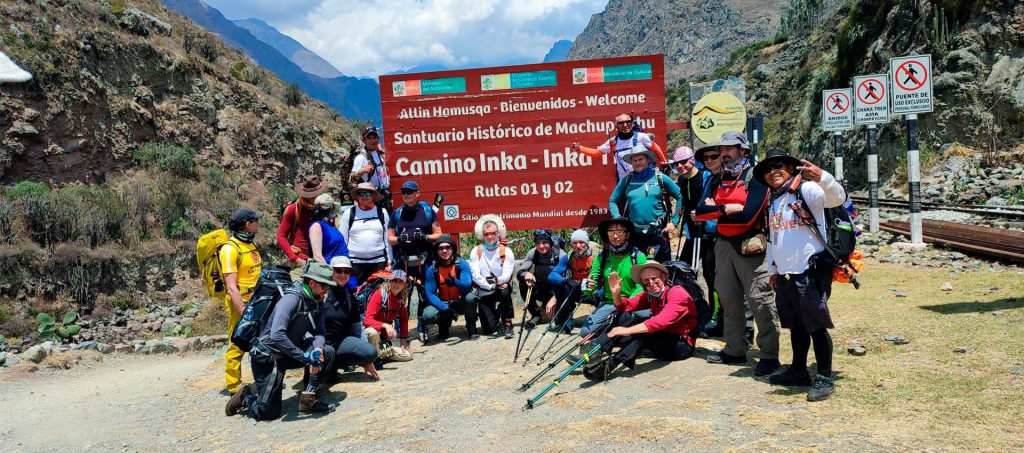
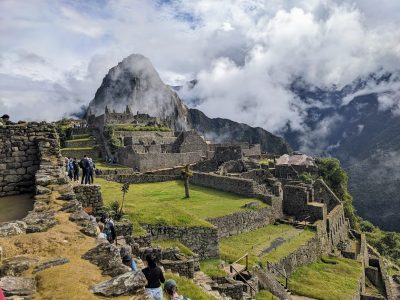
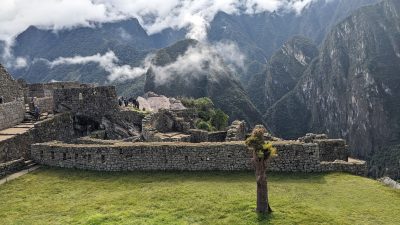
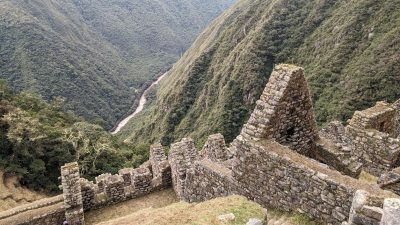
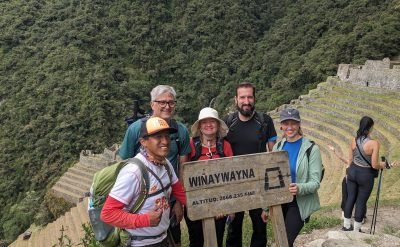
You will climb Dead Woman’s Pass at 4,215m on Day 5, walk through cloud forest ruins at Sayacmarca and Phuyupatamarca, sleep above the clouds at Wiñay Wayna, and arrive at Machu Picchu through the Sun Gate at sunset on Day 6. On Day 7 you return for a full sunrise tour of the Royal Sector.
From $977 USD per person. No buses, no trains until the end. Just 7 days of wilderness camping with a private chef, WFR certified guides, and a maximum of 8 trekkers. This is Salkantay and the Inca Trail done properly, for experienced hikers only.
- Duration:7 days / 6 nights, 6:00 am Day 1 to 7:30 pm Day 7.
- Start and End:Cusco hotel pick-up and drop-off.
- Max Altitude:4,880 m at Incachiriasca Pass, plus 4,215 m at Dead Woman’s Pass.
- Group Size:Maximum 8 trekkers, average 4 to 6 for safety and pacing.
- Difficulty:Strenuous, high endurance. Two passes over 4,200m in one week.

Highlights for the 7-Day Salkantay & Inca Trail
- Two World-Class Passes
Cross Incachiriasca at 4,880m on Day 2 in complete solitude, then Dead Woman’s Pass at 4,215m on Day 5 on the Classic Trail. No other itinerary includes both. - True Wilderness First
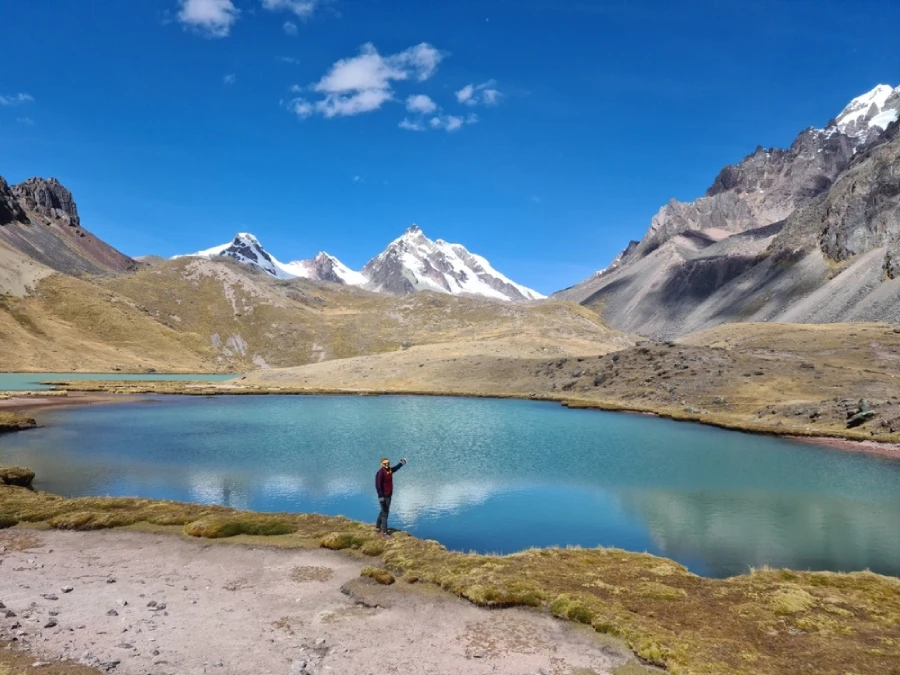
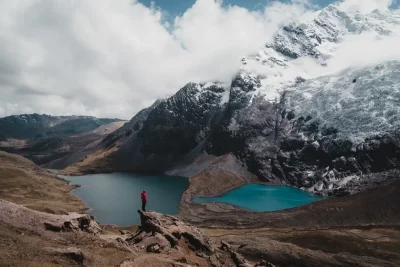
Days 1 to 3 follow the back side of Salkantay through the Apurímac watershed. You will see more condors than trekkers. We camp at remote alpine lakes where standard 5-day routes never go. - Complete Ecological Traverse
Walk every zone of the Andes in one week. Start on glacial moraine, cross puna grasslands, descend through Polylepis forest, enter cloud forest with orchids, and finish in high jungle with bamboo and coffee. - Classic Inca Trail Integration
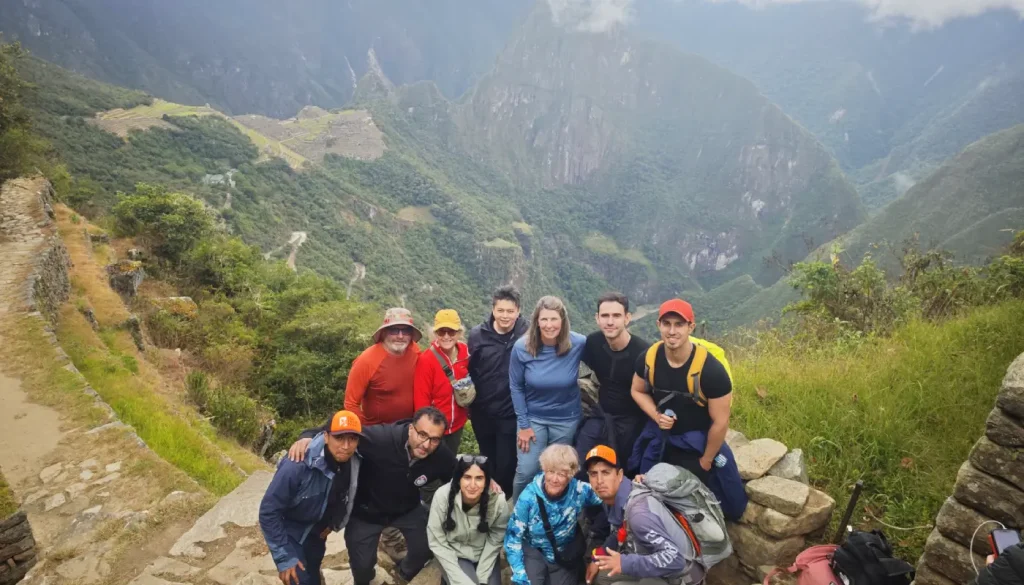
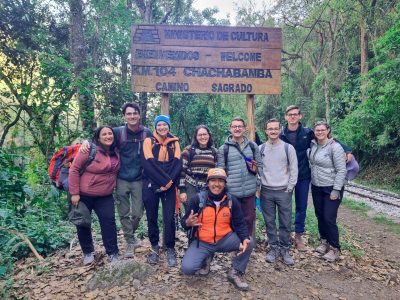
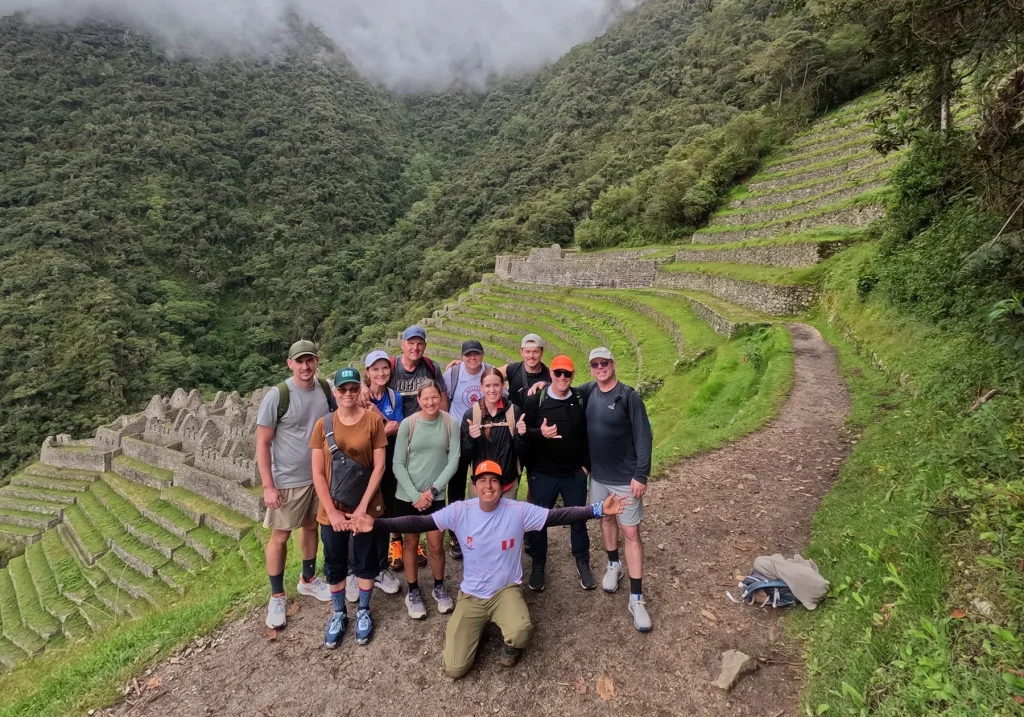
Join the official Inca Trail at Km 82 with full permits included. You get the original stonework, the three famous passes, and the campsites at Wayllabamba and Wiñay Wayna that day-hikers cannot access. - Sun Gate Arrival at Sunset
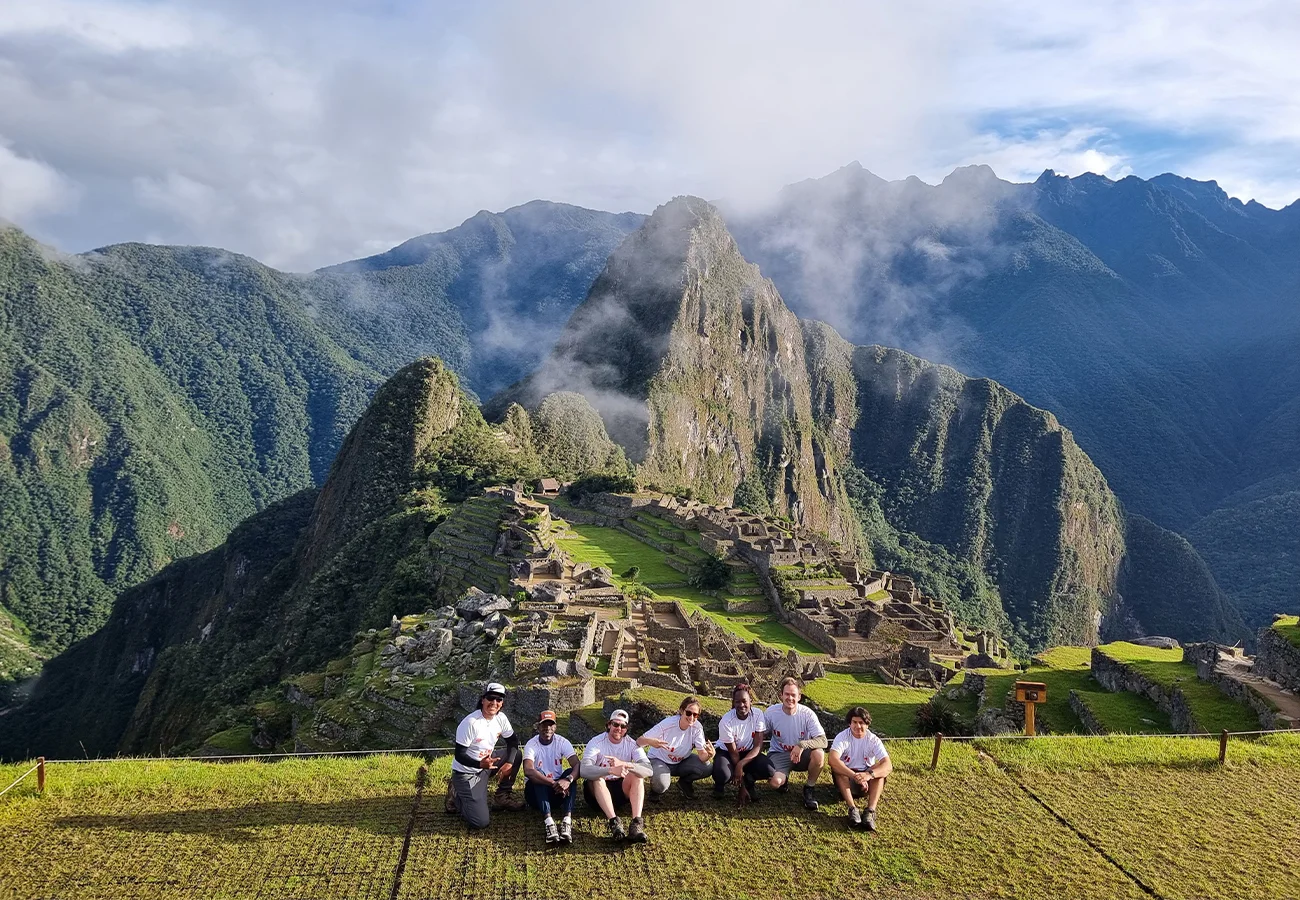
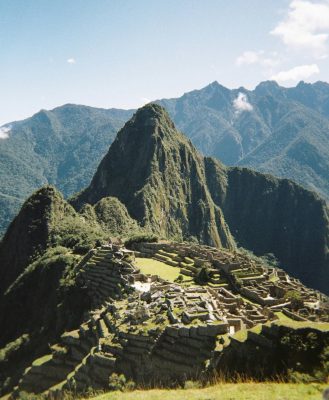
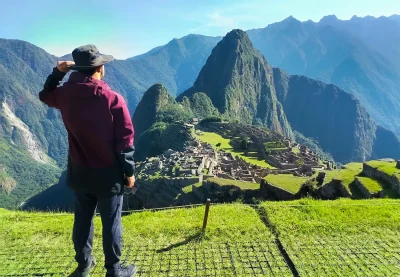
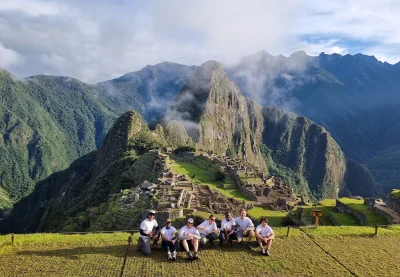
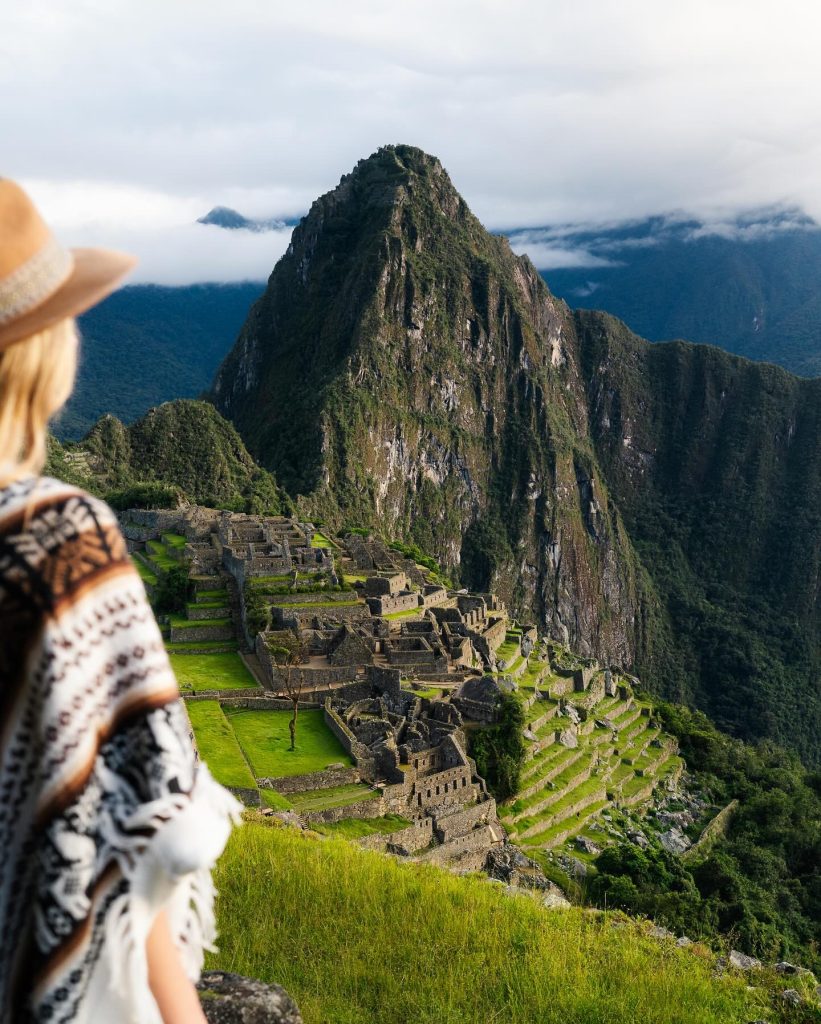
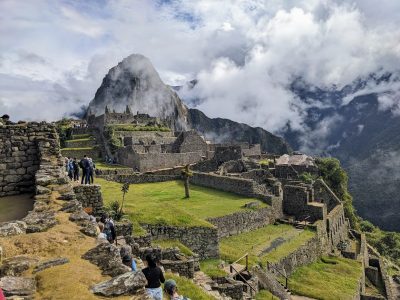
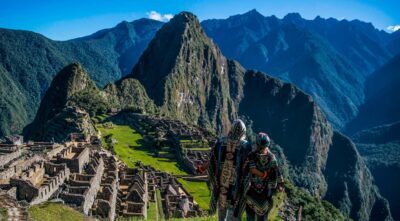
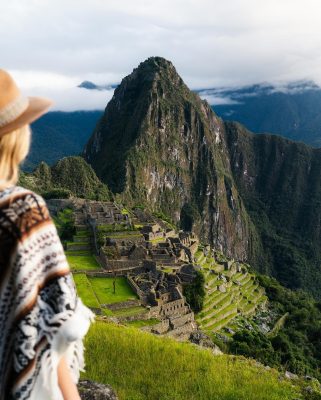
Arrive at Inti Punku on Day 6 in late afternoon light after the day crowds have left. This is the historic pilgrim approach, not the bus entrance. You get Circuit 1 for the panoramic photo. - Sunrise Royal Sector Tour
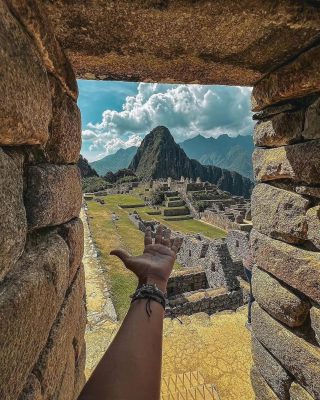
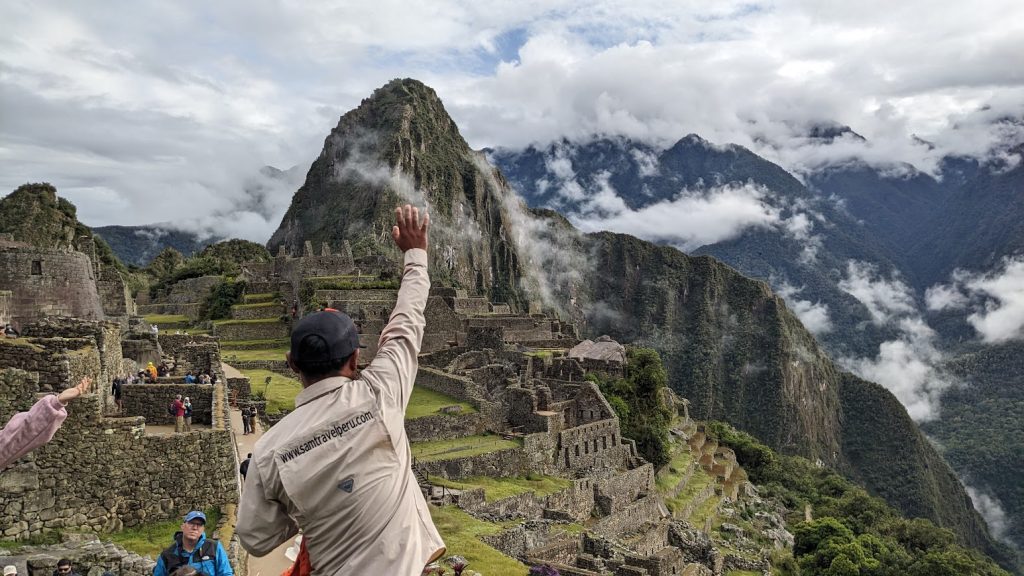
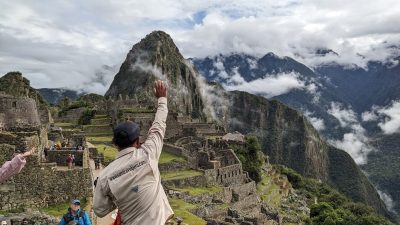
Return on Day 7 for Circuit 3, the lower temples. Your guide walks you through the Temple of the Sun, Intihuatana, Temple of the Condor, and Three Windows with no rush. Dual circuit access is included as standard for 2026. - Private Wilderness Camps
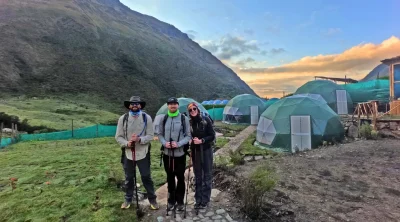
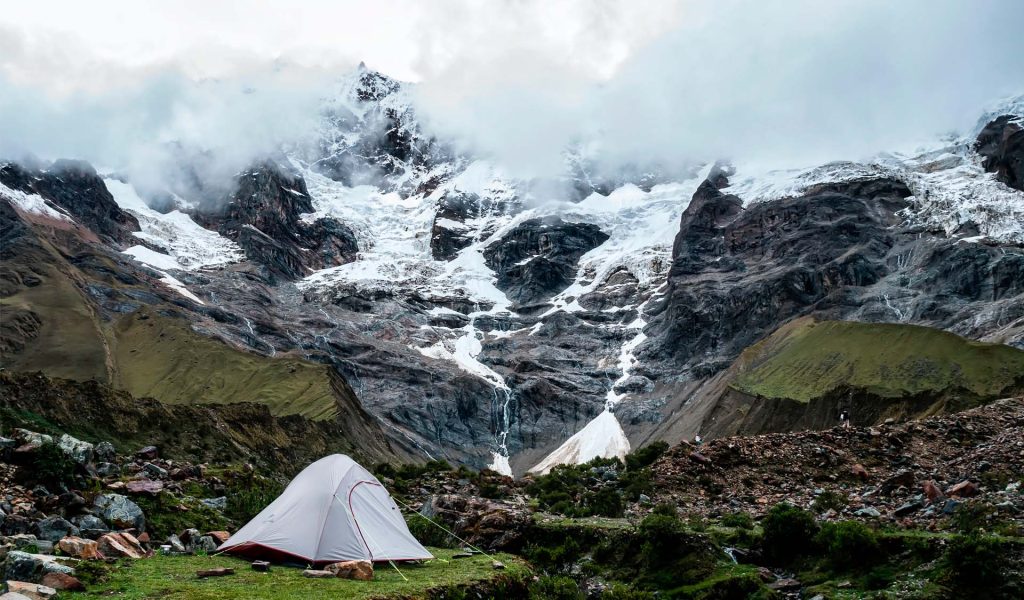
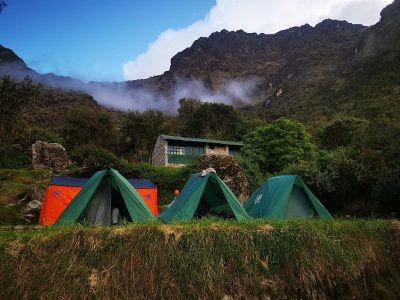
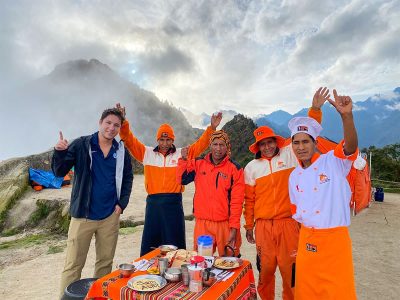
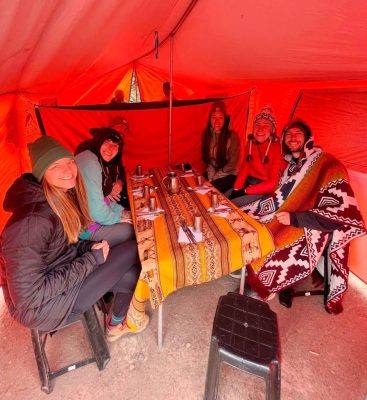
Five nights of professional mountain camping with 4-season tents, thick mattresses, dining tent with chairs, and private toilet tent. Our chef cooks three hot meals daily. You carry only a daypack, mules carry 7kg of your gear. - Elite Mountain Team
Every group is led by a Cusco-born guide with Wilderness First Responder certification, plus assistant guide for groups over 6. We carry emergency oxygen, satellite phone, and have evacuation horses on both passes. - No Permit Lottery Stress
We secure your Inca Trail permits 6 months ahead as part of your booking. Salkantay requires no permit, so we can guarantee the full route even in high season.

Circuits
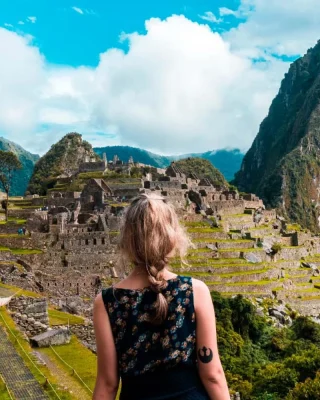
Circuit 1: Panoramic Route (Upper Terraces Only)

Classic postcard views, no citadel interior
- Classic viewpoint from Upper Terrace for the postcard photo.
- Lower Terrace platform just below Guardian House for wider angle shots.
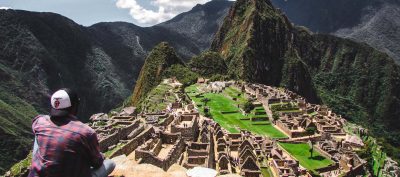
- Guardian House overlook, the stone hut in every Machu Picchu photo.
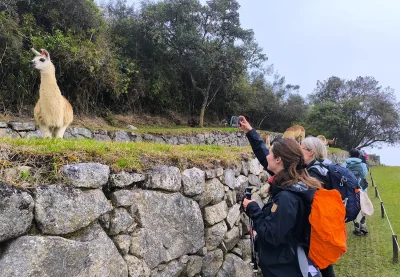
- Llama terraces on the upper agricultural platforms.
- Kallanka ruins, probable chicha beer hall outside the city walls.
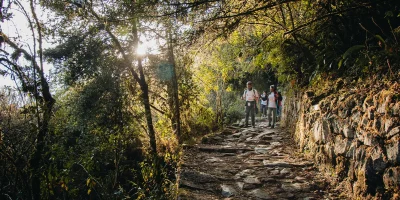
- Inca Trail arrival path through cloud forest (entry walk).
Circuit 3: Royalty Route (Lower Citadel)

Full access to lower temples and houses
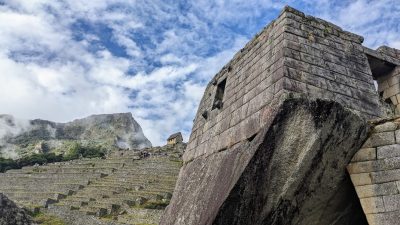
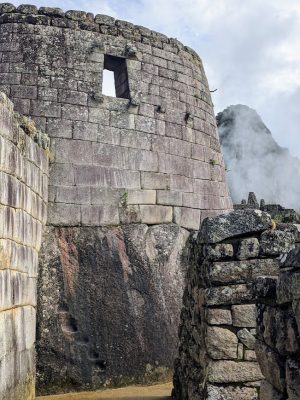
- Temple of the Sun (Torreon) viewed from below with curved wall.
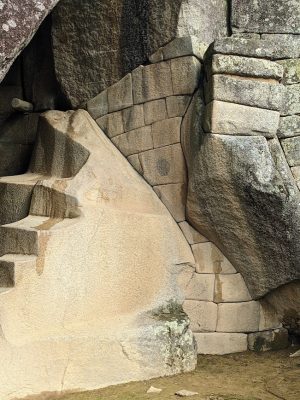
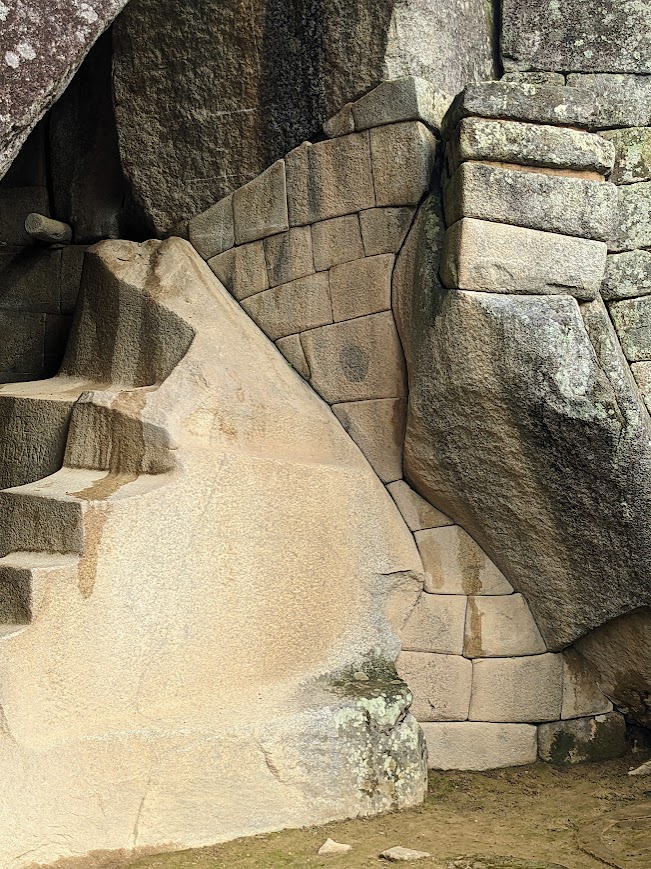
- Royal Tomb beneath the Torreon, carved altar and niches.
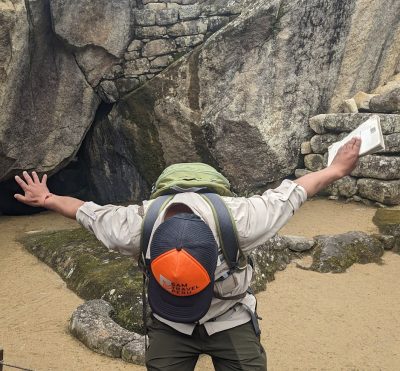
- Temple of the Condor, natural rock wings with head carving.
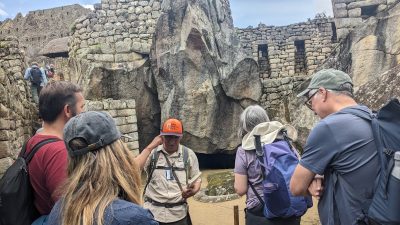
- Sacred Rock, massive carved boulder mirroring Yanantin mountain.
- Water Mirrors, ceremonial basins fed by original Inca channels.
- Temple of Three Windows viewpoint from lower plaza.
- House of the Inka and Royal Residence sector.
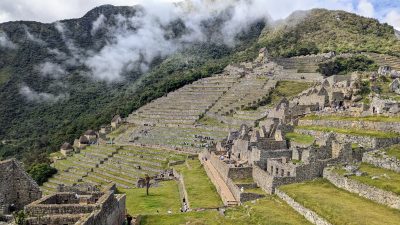
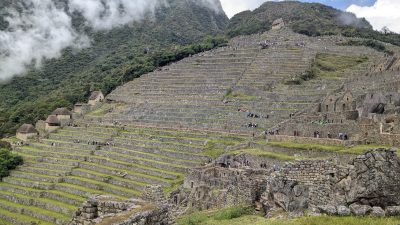
- Agricultural terraces on the lower east flank.
- Sacred Plaza access (limited) and Grand Staircase descent.
- Optional side-hike gates: Huayna Picchu, Huchuy Picchu, depending on ticket.
How to Book the 7-Day Salkantay & Inca Trail
Booking takes two steps and we secure your Inca Trail permits immediately.
Step 1: Complete your booking form
Click BOOK NOW and fill out details for each traveler exactly as on your passport:
Full name
Passport number
Date of birth, dd/mm/yyyy
Gender
Nationality
Step 2: Confirm with your deposit
A deposit of $350 USD per person locks your Inca Trail permits and Machu Picchu dual circuit tickets. Permits sell out 6 months ahead for May to September, so we confirm within 24 hours.
Paying the balance
Pay the remaining balance in cash at our Cusco office in USD or soles to avoid card fees. Online payment accepted with 5.5% fee. Balance due 30 days before departure.
Once we receive your deposit, we send your official Inca Trail permit confirmation, packing list, and briefing info within 24 hours. Your pre-trek briefing is at 6:00 pm two nights before departure at our Cusco office.
From
$977
/per person
Trip Details
Overview
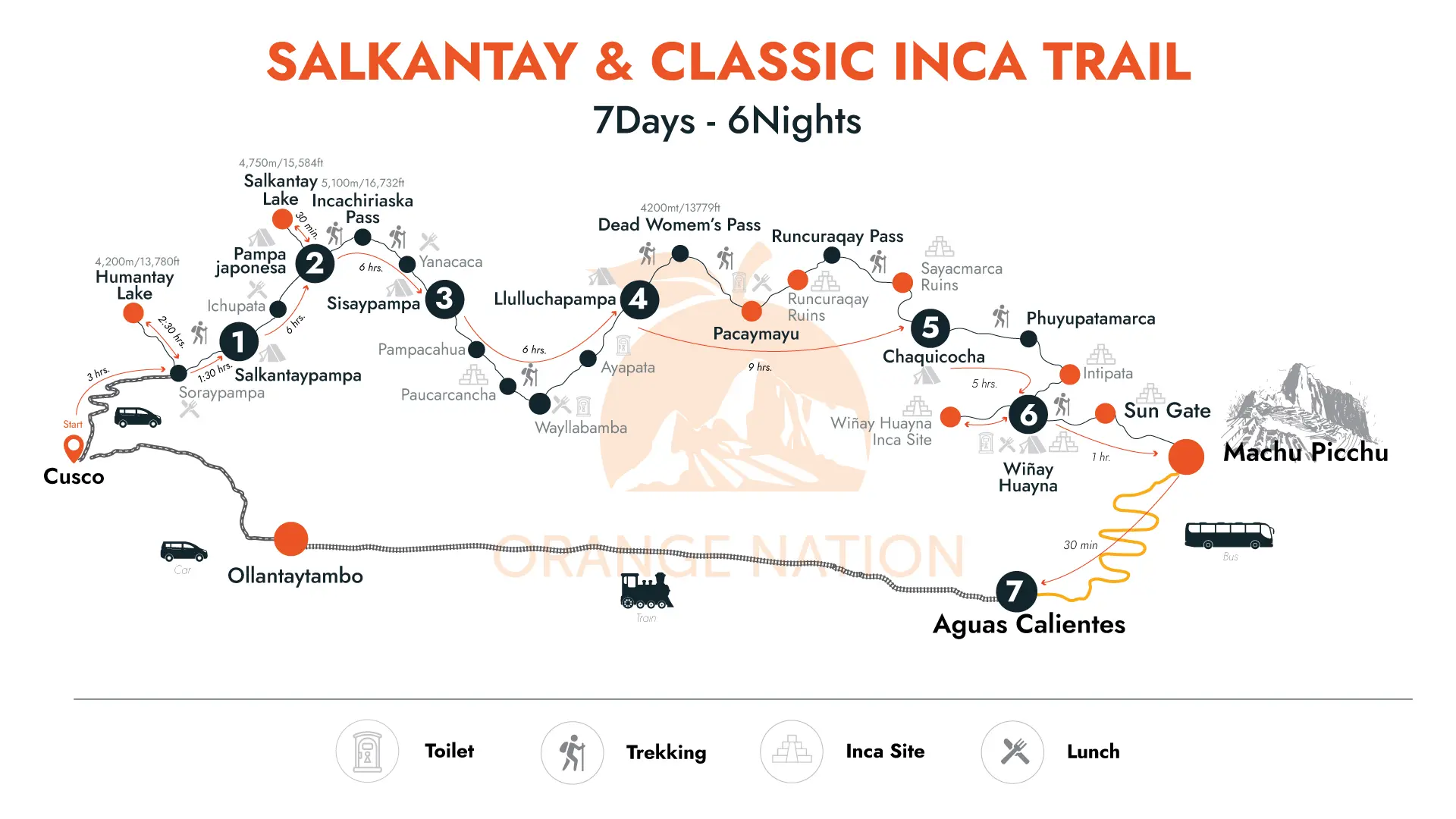
Day 1: Cusco → Soraypampa → Soyroccocha
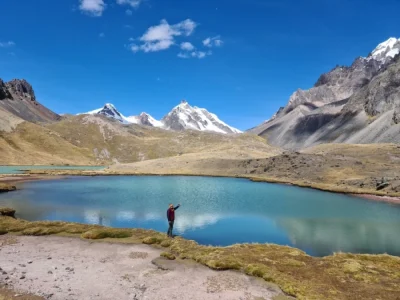
Early pickup, drive to Soraypampa at 3,900m. Hike the Seven Snakes approach into the Salkantay basin. Camp at remote Soyroccocha alpine lake beneath the glacier.
5 hrs / 12 km / First wilderness camp
Day 2: Soyroccocha → Incachiriasca Pass → Ichupata
Summit day. Cross Incachiriasca Pass at 4,880m, the highest and most remote point of the trek. Long descent into the upper Pampacahuana valley to camp.
9 to 10 hrs / 18 km / Sleep at 4,100m
Day 3: Ichupata → Pampacahuana → Wayllabamba
Descend through Polylepis forest and ancient Inca canals. Enter the Sacred Valley watershed and join the Classic Inca Trail network at Wayllabamba.
7 hrs / 14 km / First Inca Trail camp
Day 4: Wayllabamba → Llulluchapampa
Start the Classic Trail proper. Steady climb through cloud forest to Llulluchapampa camp below Dead Woman’s Pass.
5 hrs / 9 km / Acclimatization day
Day 5: Llulluchapampa → Dead Woman’s Pass → Pacaymayo → Sayacmarca
Cross Dead Woman’s Pass at 4,215m early morning. Descend to Pacaymayo, then climb to Runkurakay and Sayacmarca ruins. Camp at Chaquicocha.
8 hrs / 14 km / Two passes in one day
Day 6: Chaquicocha → Phuyupatamarca → Wiñay Wayna → Sun Gate → Aguas Calientes
Traverse the most beautiful section of the Inca Trail. Visit Phuyupatamarca, then descend the 1,500 stone steps to Wiñay Wayna. Continue to Inti Punku for sunset arrival at Machu Picchu, then bus down to hotel.
9 hrs / 16 km / Sun Gate + hotel
Day 7: Machu Picchu → Cusco
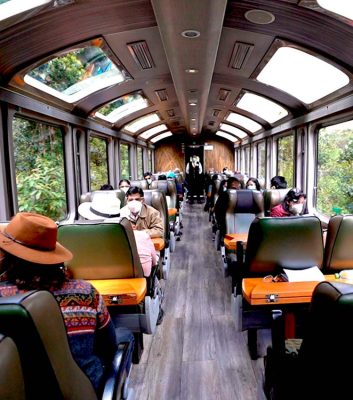
First bus up for sunrise. 2.5 hour guided tour of the Royal Sector using Circuit 3. Train to Ollantaytambo in the afternoon, private transfer back to Cusco by 7:30 pm.
Our Approach
Engineered for Two Passes
We design every itinerary in Cusco, not copy paste. This 7-day route is a true traverse, not a shortcut. Days 1 to 3 circle the remote back side of Salkantay to Incachiriasca Pass at 4,880m where you will not see another group. Days 4 to 7 join the Classic Inca Trail at Km 82 for Dead Woman’s Pass at 4,215m, then Wiñay Wayna and the Sun Gate. We build in proper acclimatization with slow gains and five wilderness camps before your hotel night.
Dedicated to You, Door to Trail
Book direct and we handle everything. Hotel pickup, all transport, Inca Trail permits, Machu Picchu dual circuit tickets, trains, and buses. Mules carry your 7kg duffel for the Salkantay section, porters carry it on the Inca Trail. You hike with daypack only. Our chefs cook fresh hot meals at every camp. Vegetarians, vegans, gluten free, all eat well at altitude. Safety is not an add on. Every guide is Wilderness First Responder certified, carries oxygen and a satellite phone, and we have emergency horses on both high passes. Groups are capped at 8.
Devoted to Our People
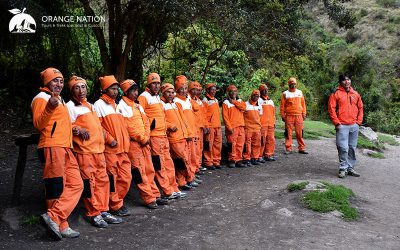
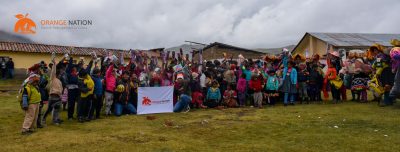
Orange Nation is family owned in Cusco. Our founder started as a porter, so we built this company differently. Everyone gets a living wage above the local average, full healthcare, and all gear provided free. Jackets, boots, tents, sleeping bags. Women have guided and portered with us since 2018, and today they lead some of our strongest teams. Every month we fund teachers, medical campaigns, and reforestation in Mollepata and along the Inca Trail, because the families who carry your bags deserve the same care we give our guests.
Things To Know Before You Go
- Altitude is the challenge, not distance.
You will cross Incachiriasca Pass at 4,880m on Day 2 and Dead Woman’s Pass at 4,215m on Day 5. You sleep five nights between 3,600m and 4,200m. Arrive in Cusco at least 2 to 3 days early, hydrate, and avoid alcohol. We carry emergency oxygen on every trek. - Weather is four seasons in one day.
Sun, wind, hail, and freezing nights are normal above 4,000m. Our tents are 4-season mountain tents with thick mattresses, but they are not heated. Pack a proper layering system. Your duffel is carried, so bring the warm down jacket and waterproof shell. - This is rated Strenuous, not Challenging.
Day 2 is 9 to 10 hours to 4,880m. Day 5 is 8 hours to 4,215m. You need to be training with hills, stairs, and long hikes for 6 to 8 weeks before. This trek is for experienced multi-day hikers comfortable at altitude. - Camping is wilderness, not glamping.
Nights 1 to 5 are remote camps with dining tent, chairs, and private toilet tent. No showers until Aguas Calientes on Night 6. We provide hot water bowls each evening for washing. Night 6 is your 3-star hotel with hot shower in Aguas Calientes. - We handle the complex logistics.
Inca Trail permits are required and limited to 500 per day. We secure yours 6 months ahead. We also book your Machu Picchu entry for Circuit 1 on Day 6 and Circuit 3 on Day 7, plus all trains and buses. You just show up. - Small group means small group.
We cap at 8 trekkers, average 4 to 6. You get a lead guide plus assistant guide for the Inca Trail section. Porters and mules carry up to 7kg of your gear. You hike with daypack only. - Best season and what to pack.
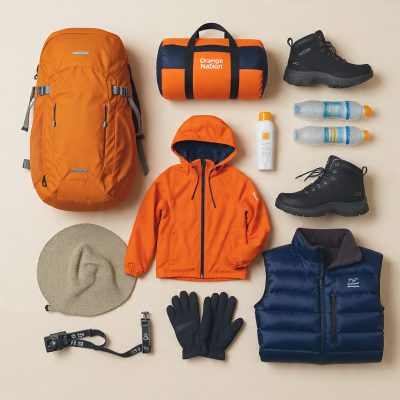
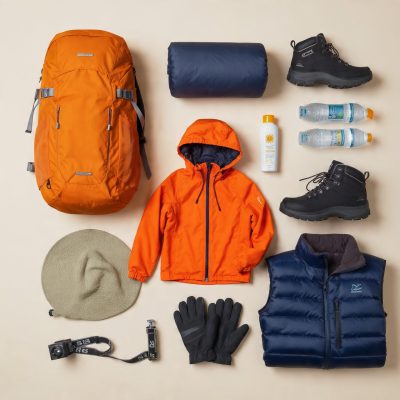
May to September is dry and best for both passes. April and October are good shoulder months. The Inca Trail is closed every February. We send a full packing list after booking, but essentials are: broken-in boots, -10°C sleeping bag, 3-layer system, rain jacket and pants, sun hat, 3L water capacity, and headlamp.
At A Glance
The only continuous foot traverse from Salkantay to the Sun Gate. No buses, no shortcuts, designed around two high passes and proper acclimatization.
- Duration:7 days / 6 nights.
- Hiking:∼75 km total, max 4,880 m at Incachiriasca Pass and 4,215 m at Dead Woman’s Longest days are 9 to 10 hrs.
- Accommodation:5 nights professional wilderness camping, 1 night hotel in Aguas Calientes.
- Sites:Salkantay Glacier Basin, Incachiriasca Pass, Dead Woman’s Pass, Sayacmarca, Phuyupatamarca, Wiñay Wayna, Sun Gate, Machu Picchu Circuit 1 & 3.
- Best for:Experienced trekkers who want the full Andes crossing and both the remote Salkantay and the Classic Inca Trail in one expedition.
- Permits required:Classic Inca Trail permit and Machu Picchu entry included and secured by us.
Who It Is Perfect For
- High-Altitude Trekkers
Comfortable with sustained elevation above 4,000m and two passes over 4,200m in one week. You have done multi-day treks before. - Expedition Hikers
Wanting a continuous, non-fragmented Andean crossing from glacier to jungle. You prefer wilderness over lodges and do not need a shower every night. - Solitude Seekers
Wanting the back side of Salkantay where standard 5-day routes do not go. Days 1 to 3 you will see more condors than people. - Photographers
Capturing the full ecological transition, from ice fields to orchids to cloud forest ruins. You want both sunrise at the Sun Gate and the Royal Sector tour. - Inca Trail Purists
Wanting the full Classic Trail experience with permits, porters, and camping at Wiñay Wayna, but also wanting the wild Salkantay approach first.
Other Expeditions to Consider
- 5-Day Salkantay Trek
For trekkers who want Salkantay and Humantay Lake without the Inca Trail. Ends with train to Machu Picchu. No permits needed. - 4-Day Classic Inca Trail
The original pilgrimage route only, starting at Km 82. For travelers who want the Inca Trail but not the high Salkantay passes. Permits required. - 3-Day Salkantay to Machu Picchu
Fast track version with one Sky Dome night and Llactapata. For fit trekkers short on time who want the 4,650m pass in 3 days. - 7-Day Ausangate + Rainbow Mountain
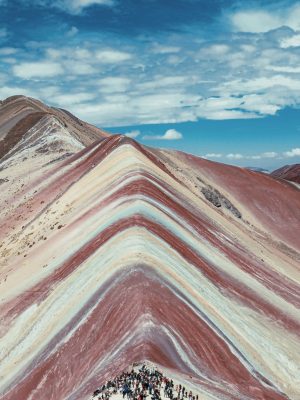
For altitude seekers who want a full circuit around Ausangate at 5,200m with no Inca Trail. More remote, no Machu Picchu.
Full Itinerary
Included
- Transport
Airport pickup, hotel collection, and all private transport to and from trailheads. - Permits
Official Inca Trail permits and Machu Picchu entrance fees included. - Staff
English-speaking guides, professional cooks, horsemen, and porters. - Camping
4-person tents (shared by two people), dining and kitchen tents, plus a private toilet tent. - Trail Support
Duffel bag allowance for up to 7 kg of personal gear. Emergency horse support provided on the Salkantay section if needed. - Comfort
Foam mattress, pillow, and daily boiled water provided throughout the trek. - Logistics
Three bus tickets (Aguas Calientes–Machu Picchu route) and Expedition Train return service included. - Hotel
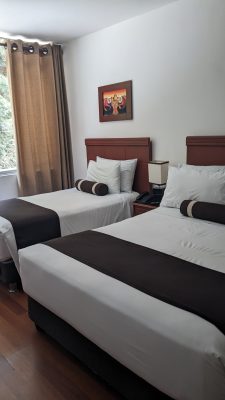
One night accommodation in Aguas Calientes in a private room with bathroom. - Safety
First aid kit and emergency oxygen available for all groups.
Not Included
- Pre & Post Trek Hotel
Accommodation in Cusco before and after your expedition is not included. - Select Meals
Breakfast on Day 1 and the final lunch in Aguas Calientes on Day 7 are not included. - Optional Peaks
Huayna Picchu and Machu Picchu Mountain permits are not included ($75 USD per person each). - Equipment Rentals
Sleeping bags ($20), air mattresses ($20), and walking poles ($15) are available for rent but not included. - Vistadome Upgrade
Optional return train upgrade to Cusco is available ($57 USD per person). - Travel Insurance
Highly recommended for all trekkers but not included. - Personal Expenses
International and domestic flights, plus any additional snacks, drinks, or personal purchases, are not included. - Gratuities
Tips for your guide, chefs, and porters are voluntary but greatly appreciated for excellent service. - Huayna Picchu
Optional unguided climb. If a guided ascent is required, it must be requested in advance and is subject to availability and additional cost.
Pricing
Small group departures require a minimum of 2 people.
2 to 8 people | $977 USD per person
This price combines seven days of continuous trekking, five nights of wilderness camping, one hotel night in Aguas Calientes, and the full Classic Inca Trail permit. You cross Incachiriasca Pass at 4,880m on Day 2, Dead Woman’s Pass at 4,215m on Day 5, and finish with both Machu Picchu Circuit 1 at sunset on Day 6 and Circuit 3 at sunrise on Day 7.
This tour operates March through January. The Inca Trail is closed every February for maintenance. Permits for May to September sell out 6 months in advance.
This price includes mules for the Salkantay section and porters for the Inca Trail section, which will carry your belongings up to 7 kilograms. We provide you a duffel bag at your briefing.
Included in the Price
- All Permits and Tickets
Classic Inca Trail permit, Salkantay trail fees, Machu Picchu Circuit 1 and Circuit 3 entry, and all archaeological sites on route. - Accommodation
Five nights professional wilderness camping with 4-person tents shared by 2 people, thick foam mattress, and pillow. One night in three-star hotel in Aguas Calientes with private room and bathroom. - Train and Bus Tickets
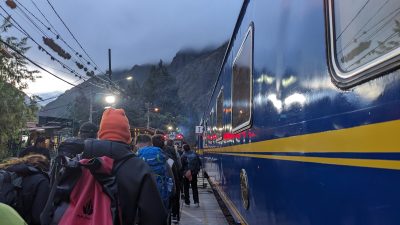
Expedition train from Aguas Calientes to Ollantaytambo. Two bus tickets for Machu Picchu ascent on Day 7 and descent on Day 6. - Private Transport
Private van from Cusco to Soraypampa trailhead on Day 1, and return from Ollantaytambo to your hotel in Cusco on Day 7. - Professional Guide Team
English speaking licensed lead guide for all 7 days, plus assistant guide for groups over 4. Both specialized in high altitude and Inca Trail regulations. - Meals as per Itinerary
Day 1 lunch through Day 7 breakfast. Fresh ingredients cooked by our private chef at camp. Vegetarian, vegan, and gluten free options available. - Mules, Porters, and Support Crew
Mules for Salkantay section and official Inca Trail porters for Trail section for all group equipment plus 7 kilograms of your personal items. One emergency horse available on both high passes. - Camping Equipment
Complete camp setup including dining tent with tables and chairs, kitchen tent, toilet tent, and hand wash station. All equipment carried by our crew. - Safety and Support
First aid kit, emergency oxygen, and satellite phone carried by your guide. Pre-trek briefing at 6:00 pm two nights before at our Cusco office. Boiled and filtered water provided daily from lunch on Day 1. Free luggage storage in Cusco. - Taxes and Fees
All local taxes, community fees, porters’ welfare fees, and service charges included.
Extras (Optional)
- Vistadome Train Upgrade
Panoramic windows for the return journey. $67 USD per person. - Huayna Picchu or Machu Picchu Mountain
Add the summit hike inside the citadel on Day 7. $75 USD per person. Must be booked with permit 6 months in advance. - Hiram Bingham Luxury Train
Gourmet dining and open bar return to Cusco. $575 USD per person. - Private Tent Supplement
Private tent for solo travelers for all 5 camping nights. $80 USD per trek. - Trekking Poles
Professional adjustable poles with rubber tips. $15 USD per pair per trek. - Sleeping Bag Rental
Down bag rated to -15°C, cleaned after each use. $25 USD per trek. - Hotel Upgrade in Aguas Calientes
Upgrade to El Mapi 4-star or Tierra Viva. From $45 USD per room.
Discounts
- Students 18 to 25 Years
$30 USD off per person. Valid university ID required. Copy needed at booking for Inca Trail permit. - Under 18 Years
$30 USD off per person. Passport copy required at booking for Inca Trail permit. - Under 11 Years
$40 USD off per person. Passport copy required at booking for Inca Trail permit. - Groups of 5 or More
$25 USD off per person when booking together.
Added Value Experience
- Dual Circuit Machu Picchu
Circuit 1 on Day 6 for sunset at Sun Gate, plus Circuit 3 on Day 7 for the Royal temples. Both included as standard for 2026. - Two High Passes
The only itinerary that includes both Incachiriasca at 4,880m and Dead Woman’s at 4,215m in one continuous trek. - Wilderness First
Days 1 to 3 on the remote back side of Salkantay with zero crowds before joining the Classic Trail. - Private Chef for 7 Days
Three hot meals daily cooked fresh at camp, not pre-packed. Performance nutrition for high altitude. - Porter Welfare Certified
We pay porters 20% above government wage, provide full gear, insurance, and weight limits strictly enforced.
What to pack for the 7-Day Salkantay Trek & Classic Inca Trail to Machu Picchu
Prepare for a 7-day expedition crossing high-altitude glaciers, remote Andean valleys, cloud forest, and the final stretch of the Classic Inca Trail to Machu Picchu. This is a demanding multi-terrain journey with extreme climate variation—ranging from frozen passes near Salkantay Mountain Region to humid jungle and ancient stone trails.

Essential Documents & Entry Requirements
- Passport (Original Required)
Required for permits and Machu Picchu entry—must match your booking exactly. Keep this easily accessible in your daypack at all times. - Cash (Peruvian Soles)
For snacks, toilets, and optional staff gratuities throughout the trek.
Core Trekking Gear
- Sturdy Hiking Boots
Well broken-in with strong ankle support for mixed glacier, gravel, and Inca stone terrain. - Daypack (20–25L)
For daily essentials; must comply with Machu Picchu sanctuary regulations. - Expedition Duffel (7kg limit)
Carried by porters for sleeping bag, clothing, and overnight gear across both trekking systems. - Sleeping Bag (−10°C recommended)
Essential for high-altitude camps; available for rent if needed.
Clothing System (Layering Required)
- Breathable Base Layers
Moisture-wicking for high-output trekking conditions. - Insulating Layer
Fleece or mid-layer for cold mountain sections. - Down Jacket
Essential for freezing nights at high altitude. - Waterproof Shell Jacket
GORE-TEX or equivalent for rain, wind, and glacier weather systems. - Trekking Pants or Convertible Pants
Quick-dry materials recommended for multi-climate transitions. - Warm Hat & Gloves
Required for glacier passes and cold camps.
Hydration & Nutrition
- Hydration System (2–3L capacity)
Reusable bottles or hydration bladder (no single-use plastic). - Snacks
Energy bars, dried fruit, or high-calorie trail snacks for long trekking days.
Personal Essentials
- Headlamp
Essential for remote camps and early starts. - Toiletries (Travel-size)
Including toothbrush, toothpaste, and basic hygiene items. - Toilet Paper & Small Waste Bag
Facilities are limited throughout the expedition. - Hand Sanitizer & Wet Wipes
Critical for hygiene in remote sections. - Personal Medication
Include all required prescriptions for a full 7-day journey.
Sun & Weather Protection
- Sunscreen (SPF 50+)
High UV exposure across glacier and exposed stone sections. - Sunglasses (UV protection)
Polarized strongly recommended for snow and altitude glare. - Insect Repellent
Essential in cloud forest zones. - Rain Cover (for backpack)
Protection for sudden Andean weather shifts. - Wide-Brim Sun Hat
Important for exposed high-altitude sections.
Optional but Recommended
- Trekking Poles
- Highly recommended for steep ascents, descents, and Inca stone steps.
- Portable Charger / Power Bank
- Limited charging opportunities during the expedition.
- Camera or Phone
- For glacier landscapes, Inca ruins, and arrival at Machu Picchu.
- Lightweight Camp Shoes
- For comfort at remote campsites.
Orange Nation Packing Tips
- Hybrid System Strategy
This trek combines Salkantay wilderness and the Classic Inca Trail—organize gear for both glacier cold and jungle humidity. - Porter Load Discipline (7kg Duffel Rule)
Keep all heavy and cold-weather gear in your duffel to maintain energy across both trekking systems. - Layer for Extremes
Expect rapid shifts from freezing alpine passes near Salkantay Mountain Region to humid jungle approaches. - Protect Electronics at Altitude
Store devices in insulated clothing or sleeping bag to prevent battery drain in cold conditions. - Sun Exposure Management
UV intensity is extreme at high altitude—reapply sunscreen frequently on exposed sections.
Circuits and Safety
Understanding Your Machu Picchu Access + How Orange Nation Keeps You Safe at Altitude
Your Machu Picchu Circuits: Double Magic Access
This is not a standard Inca Trail permit. We secure two separate government entries so you experience Machu Picchu twice, from two perspectives.
Circuit 1: Panoramic Route | Day 6 Arrival
- Access point: Inti Punku, the Sun Gate
- Timing: Late afternoon golden hour
- What you see: The classic wide-angle postcard view. You descend through the upper agricultural terraces with Machu Picchu, Huayna Picchu, and the Urubamba River laid out below.
- Why it matters: Most 4-day Inca Trail groups never see this. We time your arrival to avoid midday crowds and get sunset light on the citadel.
Circuit 3: Royal Route | Day 7 Sunrise Tour
- Access point: Lower main entrance
- Timing: First buses at 5:30 AM
- What you see: Close-up access to the sacred and residential core. Your guided route covers the lower archaeological sector only accessible on this circuit.
- Key sites included:
- Temple of the Sun: Curved tower aligned to the June solstice
- Royal Tomb: Ceremonial chamber with fine Inca stonework
- House of the Inca: Elite residential compound
- Temple of the Condor: Natural rock carved into condor wings and head
- Sacred Plaza + Intihuatana: Religious heart of the city
- Ceremonial Water Fountains: 16-basin hydraulic system still flowing
- Agricultural Terraces: Lower farming sector
2026 Permit Guarantee
We pre-purchase Circuit 1 + Circuit 3 for every guest. Standard permits only include Circuit 3. If you want Huayna Picchu or Machu Picchu Mountain added, you need a third permit and must request at booking.
Orange Nation Safety: How We Operate Above 4,000 m
Salkantay + Inca Trail means 75 km across two passes above 4,200 m. Our safety system is built for the Vilcabamba Range, not copied from other treks.
- People: Who Is With You on Trail
- WFR-Certified Lead Guides: Every lead guide holds Wilderness First Responder certification, renewed annually. Training focuses on Acute Mountain Sickness, HAPE, HACE, fracture management, and evacuation in remote terrain.
- Guide to Guest Ratio: 1:8 maximum. Small groups mean faster response and personalized pacing across Incachiriasca Pass at 4,880 m and Dead Woman’s Pass at 4,215 m.
- Support Teams: Salkantay section uses licensed horsemen and cooks. Inca Trail section from Day 4 uses union porters limited to 20 kg per person by law. We comply fully and never overload.
- Pre-Trek Briefing: Mandatory 45-minute briefing in Cusco at 6:00 PM the night before. We cover symptoms, pacing, gear checks, and emergency procedures. You meet your guide and ask questions.
- Medical: What We Carry and Monitor
- Oxygen Available Daily: One dedicated medical oxygen cylinder travels with every group from Day 1. Guides are trained in administration.
- Pulse Oximeter Checks: Morning and evening SpO2 and heart rate checks at camps above 3,800 m. We track your adaptation and adjust pace if needed.
- Satellite Communication: Satellite radio and GPS messenger on every trek. No cell service for 5 days. We can call evacuation 24/7 from anywhere on route.
- First Aid Kits: WFR-level trauma kit, altitude meds, splints, and blister care. Guides do not administer prescription meds, but we support your own Diamox or dexamethasone plan.
- Evacuation Protocol: Fastest exit routes are mapped. From Soraypampa to Sisaypampa we evacuate by horse to road. From Wayllabamba onward we use Inca Trail emergency exits to Km 82 or Km 88 for train.
- Pace: How We Hike to Prevent AMS
- “Pole Pole” Philosophy: Swahili for slowly, slowly. Our guides set a professional, steady pace designed for safety, not speed. We never rush the 4,880 m Incachiriasca or 4,215 m Dead Woman’s Pass.
- Hydration + Nutrition: 3 L of safe boiled water provided daily. Meals are high-carb, high-protein, and cooked to aid acclimatization. Coca tea every morning.
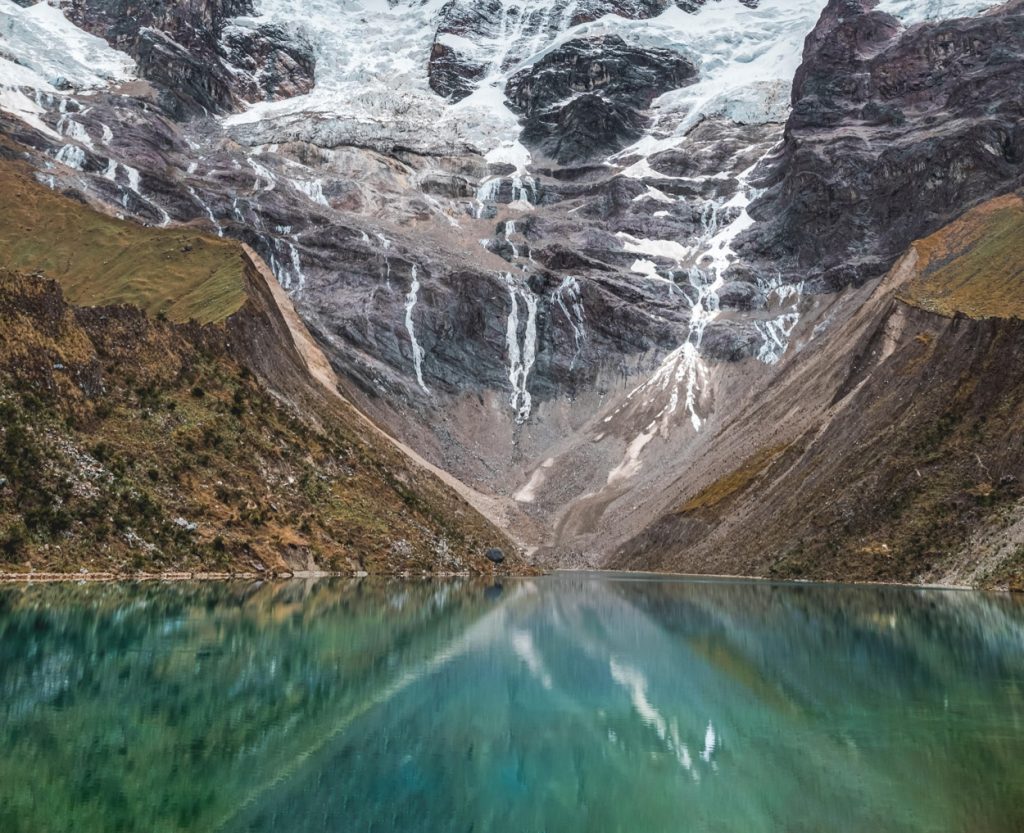
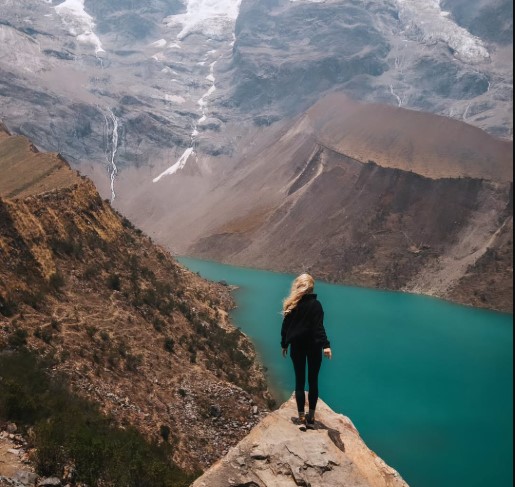
- Built-in Acclimatization: Day 1 Humantay Lake at 4,200 m is a hike-high, sleep-low day. Day 3 pass is followed by a descent to 3,800 m camp to recover.
Your Part: Hiker Preparation
We control the route and the safety systems. You control your preparation. This trek is rated Formidable and designed for experienced, high-performance hikers.
| Preparation Area | What to Do | Why It Matters |
| Fitness Level | Train 8 to 12 weeks before. Focus on long-distance hiking 12 to 20 km with a 6 to 8 kg daypack. Add steep ascents, stairs, and cardio 4x per week. | Day 3 and Day 5 each have 1,000 m+ of elevation gain at altitude. Legs and lungs need to be ready. |
| Practice Walking | Do back-to-back long hikes on weekends. Wear the boots and pack you will use in Peru. Train on uneven terrain. | Your feet and shoulders must be conditioned. Blisters and pack pain end treks faster than altitude. |
| Acclimatization | Arrive Cusco 3,400 m at least 2 full days before Day 1. 3 days is ideal. Sleep low, walk high around Sacsayhuaman. | Reduces risk of AMS before you hit 4,880 m. Your body needs time to make more red blood cells. |
| Personal Medication | Bring all prescribed meds. Talk to your doctor about Diamox for altitude. Pack ibuprofen, rehydration salts, and blister kit. | Guides cannot give you prescription drugs. You must be self-sufficient for personal health. |
| Travel Insurance | Must include high-altitude trekking up to 6,000 m and helicopter evacuation. Standard travel insurance excludes this. | Evacuation from Salkantay or Inca Trail can cost $10,000+ without coverage. |
Expedition Snapshot
- Peak Elevation: 4,880 m / 16,010 ft at Incachiriasca Pass
- Total Distance: ∼75 km / 46.7 miles of wilderness and Inca stone pathways
- Trek Duration: 7 days, 6 nights
- Trek Difficulty: Formidable. Not for first-time trekkers.
- Expedition Size: 2 to 12 guests. Small groups for safety and cohesion.
Camp and Trail Comfort
- Private Comfort: 4-season expedition tents with insulated sleeping mats and sleeping bags rated -10°C available for rent.
- Sanitation: Private portable toilet tent at all camps. Hot water bowls for washing every morning and evening.
- Mountain Dining: Chef-prepared meals for all dietary needs. Vegetarian, vegan, gluten free, and allergies catered for daily.
- Support Transition: Horses carry gear on Salkantay. Porters take over on Inca Trail to comply with regulations and protect the trail.
Salkantay & Classic Inca Trail 7D/6N FAQs
The Trek
What makes this different from the standard 4-day Inca Trail?
This is a 7-day combination. You spend Days 1 to 3 on the wild Salkantay route, crossing Incachiriasca Pass at 4,880m, then join the regulated Classic Inca Trail for Days 4 to 6. You summit two high passes, avoid the busiest first two days of the 4-day trail, and get better acclimatisation. You also get “Double Magic” access: sunset at Machu Picchu from the upper terraces on Day 6, and a full sunrise tour inside the citadel on Day 7. The standard 4-day only includes one entry.
Why combine Salkantay with the Inca Trail instead of doing just one?
Salkantay gives you raw wilderness, glacier views of Humantay and Salkantay, and almost no crowds. The Inca Trail gives you UNESCO archaeology and the only footpath that arrives through Inti Punku, the Sun Gate. Combined, you experience both high Andes and cloud forest in one itinerary.
Do we see Machu Picchu twice?
Yes. Day 6: arrival via Inti Punku for sunset photos from the upper terraces. Day 7: re-enter at sunrise for a guided tour of the lower citadel. Most treks only include one entry.
Permits & Booking
Do I need an Inca Trail permit for this trek?
Yes. Days 4 to 6 use the regulated Classic Inca Trail, which requires a government permit. You cannot hike it independently.
How many Inca Trail permits are issued each day?
The government releases 500 permits per day for the Classic 4-day, 5-day and 7-day routes combined. About 200 of those are for tourists, the rest are for guides, cooks and porters. The Short Inca Trail (2-day) has a separate quota of 250 permits per day.
When are permits released?
Permits for the following year are released in the first week of October by the Peruvian Ministry of Culture. For 2026, bookings opened on 27 October 2025.
When will the Inca Trail permits for 2027 be released?
We expect the 2027 permits to be released in the first week of October 2026. There is no confirmed date yet. We monitor the official announcement daily and will pre-secure your permit as soon as sales open.
How far in advance should I book my permit?
- May, June, July, August, September (dry season): book 8 to 12 months ahead. These dates often sell out within hours of the October release.
- April and October (shoulder): book at least 6 months ahead.
- December, January, March (rainy season): book 3 months ahead. Christmas and New Year still sell out about 2 months ahead.
Can I book the Inca Trail permit by myself?
No. You cannot book Inca Trail permits on your own. To get a permit, you must join a guided tour with a licensed operator in Peru, who will buy the permit for you.
Is the Inca Trail permit refundable?
No. Permits are personal, non-refundable and non-transferable. The Ministry of Culture does not give money back if you change dates or cancel. If you change dates we must purchase a completely new permit, subject to availability.
Can I use my 4-day Inca Trail permit to hike the Short Inca Trail 2 days?
No. It is not possible. You would need to buy a separate permit for the Short Inca Trail.
Can I book my permit with an old passport that is no longer valid?
Yes. If you are renewing your passport, email us a copy of your old passport to secure the permit. Any government-issued ID with the same name is also accepted. Once you receive your new passport, email us a copy immediately so we can update your permit details.
I am getting married and my last name will change. Can I still book using my old passport?
Yes. Book with your old passport to secure the permit. After you renew, send us a picture of both your old and new passports. We will update the information on your permit. You must travel with the new passport that matches the updated details.
Can I visit Machu Picchu with my Inca Trail permit?
Yes. Your Inca Trail permit includes a ticket to visit Machu Picchu. If you cancel your trek the day before, we can still arrange a visit to Machu Picchu as a one-day or two-day trip. However, you will only be able to visit the lower section, following Circuit 3.
Is there a student discount for the Inca Trail?
Yes. Students under 25 years old with a valid university card receive a discount on the government permit fee. To get it, send us a copy of your card at booking and bring the original card on the trek. If you do not bring it, you will not be allowed to hike. The card must show your full name, photo, university name and expiration date.
How much does an Inca Trail permit cost?
We pay the government 292 Peruvian soles for each tourist permit and 50 soles for each porter permit. Only authorised Inca Trail tour companies are able to buy permits. The cost is included in your trek price.
What can I do if Inca Trail permits are sold out for my date?
There are excellent alternatives that still reach Machu Picchu:
- Short Inca Trail 2D/1N: The best bits of the Classic Trail condensed into one day of hiking, with two visits to Machu Picchu.
- Salkantay Trek 5D: Glacier views, easy to book, no permit limit, and just as scenic as the Classic Trail.
- Lares Trek: Remote villages, lakes and herds of llamas and alpacas, with few trekkers.
- Inca Quarry Trek 4D: Waterfalls, snowcapped peaks and uncrowded archaeological sites.
- Ausangate Trek: Challenging high alpine scenery with strong cultural encounters and very few people.
Difficulty, Altitude & Fitness
How hard is the 7-day trek?
Rated Challenging. You hike six days, with the longest days at 8 to 9 hours, carrying only a daypack. Day 3 (Incachiriasca Pass, 4,880m) and Day 5 (Dead Woman’s Pass, 4,215m) are the toughest. Train with stairs, hills and long walks for 6 to 8 weeks before.
What is the highest point and how do you manage altitude?
Incachiriasca Pass is 4,880m / 16,010ft on Day 3. Dead Woman’s Pass is 4,215m / 13,829ft on Day 5. We recommend at least 2 full days in Cusco at 3,400m before the trek, ideally 3. We monitor oxygen saturation from Day 1, carry emergency oxygen, and set a slow guide pace. Humantay Lake on Day 1 helps gradual acclimatisation.
What if I cannot complete the trek?
Your safety comes first. We carry oxygen, satellite phones and first aid kits. From the Salkantay side, evacuation is by horse to the nearest road. From Wayllabamba onwards, emergency exit is possible by train from Km 104 or Km 82. Travel insurance covering trekking above 5,000m is required.
Route, Distances & Timing
How far do we walk each day?
Total about 76km / 47.2 miles over six hiking days:
- Day 1: 13km / 8.1 miles, 5 to 6 hours.
- Day 2: 14km / 8.7 miles, 6 to 7 hours.
- Day 3: 10km / 6.2 miles, 7 to 8 hours.
- Day 4: 11km / 6.8 miles, 6 to 7 hours.
- Day 5: 15km / 9.3 miles, 8 to 9 hours.
- Day 6: 12km / 7.5 miles, 6 to 7 hours.
- Day 7: Machu Picchu touring only.
What time do we get back to Cusco on Day 7?
Expedition trains depart Aguas Calientes at 14:55 or 15:20, arriving Ollantaytambo around 16:30 to 17:00, then private van to Cusco. You are at your hotel between 19:00 and 20:00. Vistadome options at 16:22 and 16:43 arrive Cusco around 20:30.
Machu Picchu Access
Which circuit will I take at Machu Picchu?
With the 2026 circuit system:
- Day 6 sunset: Circuit 1B Ruta Terraza Superior, the upper panoramic terraces for the classic photo.
- Day 7 sunrise tour: Circuit 3B Ruta Diseñada, the lower citadel route that visits the main temples. Inca Trail arrivals are required to use Circuit 3.
How much time do we get inside Machu Picchu?
- Day 6: About 45 minutes at the House of the Guardians after Sun Gate arrival. Day 7: 2.5-hour guided Circuit 3B tour, plus 30 to 45 minutes free time for photos.
Can I add Huayna Picchu or Machu Picchu Mountain?
Yes, but permits are separate, extremely limited and must be requested at booking. You would climb after your Circuit 3B tour on Day 7. There is an extra cost and you must be back in Aguas Calientes for your train.
Best Time & Weather
When is the best time to go?
Dry season is May to September for clear skies at both passes. May and September are ideal for this combo: stable weather with fewer people than June to August. Shoulder seasons April and October have greener valleys and warmer nights. We do not operate in February because the Inca Trail is closed for maintenance.
What will the weather be like?
Everything in one trek. Passes can be below freezing in the morning with wind and possible snow. Sisaypampa and Phuyupatamarca camps are cool at night. Aguas Calientes is warm and humid. Pack layers. You will use a down jacket at 4,880m and a t-shirt in cloud forest two days later.
Logistics, Food & Gear
Where is your office in Cusco?
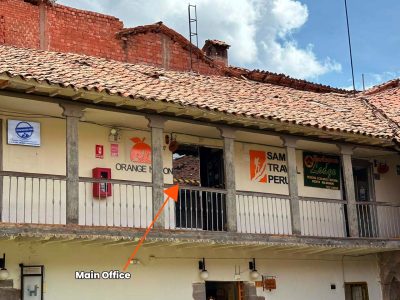
We are based in the historic centre. You will receive the exact address, WhatsApp location pin and office hours with your booking confirmation. Pre-trek briefings are held at 18:00 the night before departure.
Can I leave my main luggage in Cusco?
Yes. We have a secure, locked storage room at our office. Leave your suitcase free of charge. Porters carry up to 7kg of your personal gear from Day 4 onward.
Do you provide drinking water?
Yes. We provide safe filtered boiled water at every meal from breakfast on Day 1, and at all camps to refill your bottle. Bring a 2 to 3L hydration bladder or bottles. Bring your own water for the first drive to Soraypampa.
What is the food like? Can you handle dietary needs?
A professional trek chef cooks every meal: hot breakfast, 3-course lunch, afternoon tea, 3-course dinner. Menus mix Peruvian and international dishes using fresh ingredients. Vegetarian, vegan, gluten free, lactose free and all allergies are catered for daily. Tell us at booking.
Do I need a sleeping bag and can I rent trekking poles?
You need a sleeping bag rated to -10°C / 14°F for Salkantay nights. We rent clean 4-season sleeping bags for $25 USD total. We also rent professional trekking poles for $15 USD per pair for the whole trek. Your hotel in Aguas Calientes includes bedding.
Tipping
How much should I tip the crew?
Tipping is customary but not mandatory. For excellent service on this 7-day trek, most groups tip: Guide $8 to $12 USD per person per day, Cook $4 to $6 per person per day, Porters $30 to $40 USD per person total pooled. Tipping is done on Day 6 in Aguas Calientes. We provide tipping envelopes at the briefing.