Expedition Trek | Max 8 People | 5,100m at Palomani Pass | Camp 4 Nights Above 4,600m
Ausangate Trek 6 Days with Rainbow Mountain Included
Ausangate Trek with Rainbow Mountain & Lake Sibinacocha 6-Days
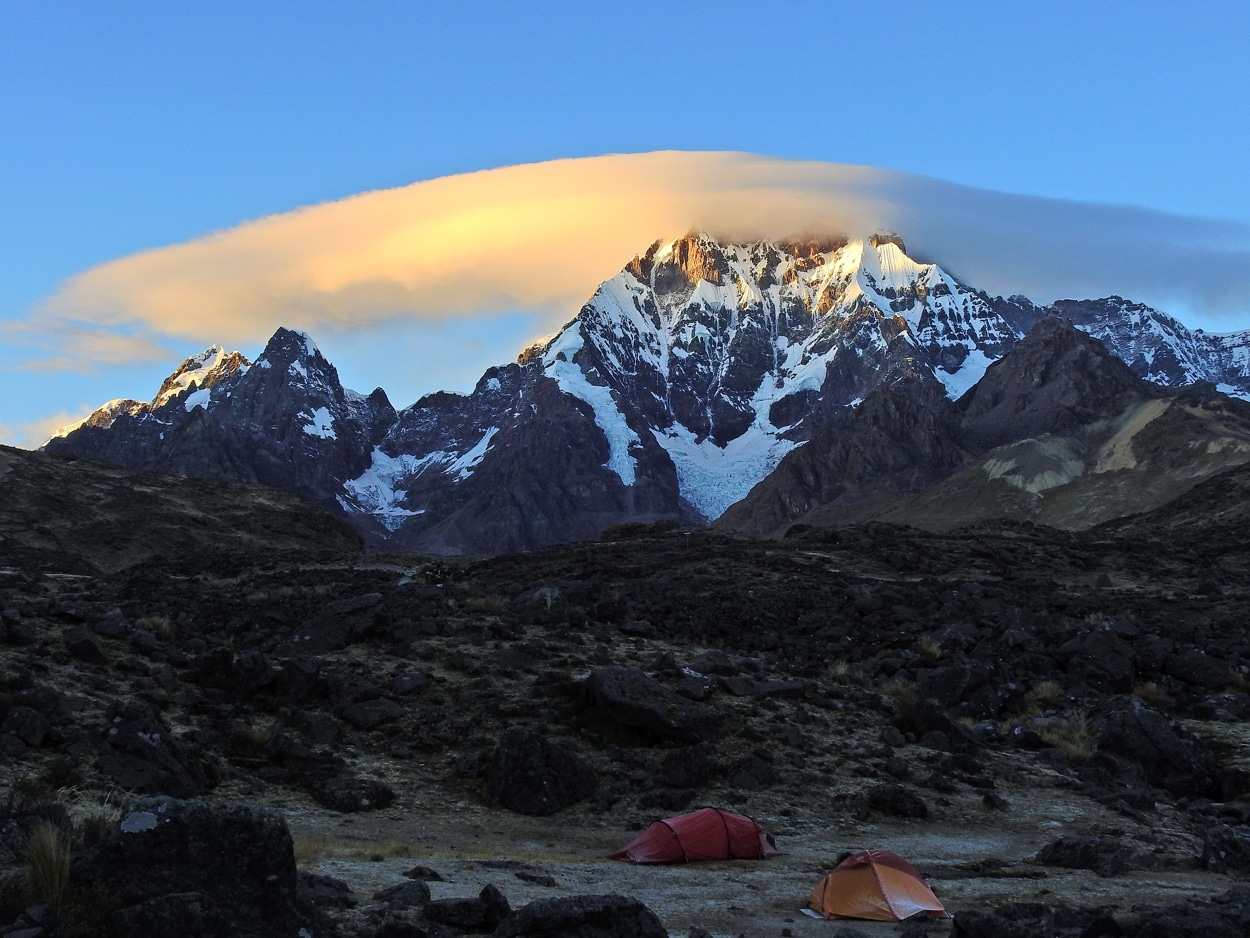
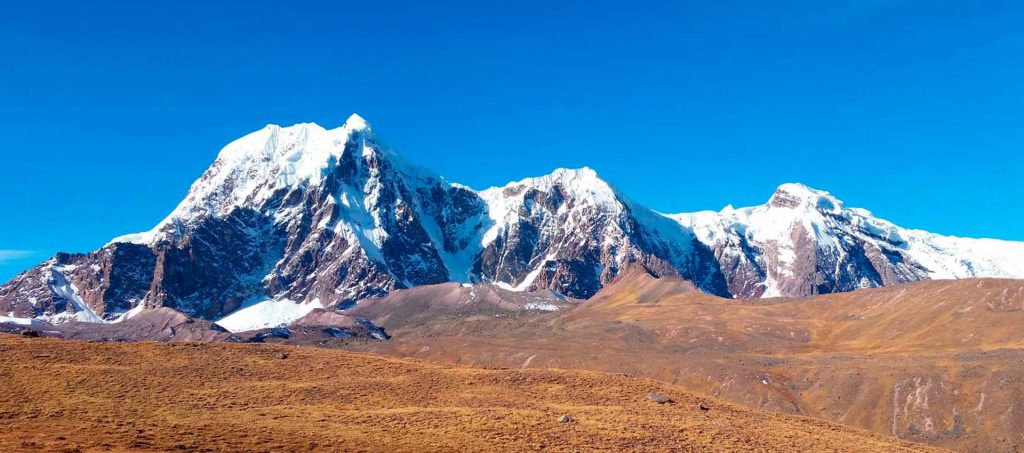
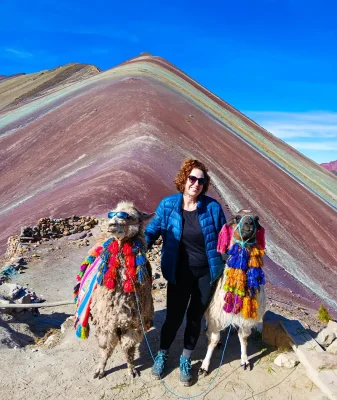
The 2026 Ausangate Grand Circuit, built for maximum altitude, solitude, and time in the Vilcanota Range. Designed for experienced trekkers who want the complete 5-pass route, the turquoise waters of Lake Sibinacocha, early access to Vinicunca, and four nights camping above 4,600 m. Cross Palomani Pass 5,100 m, Q’ampa Pass 5,100 m, Ausangate Pass 5,100 m, and two additional remote passes above 4,900 m. Trace glacial lakes from emerald to cobalt, camp under Ausangate peak, and finish at Pacchanta Hot Springs after a true expedition-grade loop. Small groups of eight. Local guides from Cusco. The most comprehensive Ausangate trek available.

Highlights
- Rainbow Mountain at Sunrise
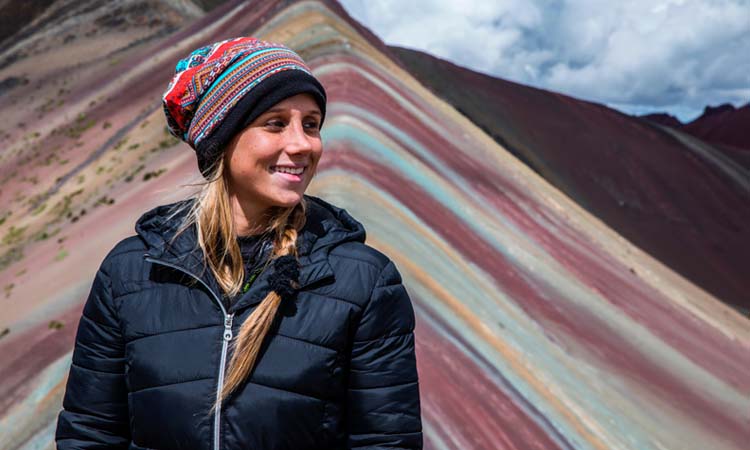
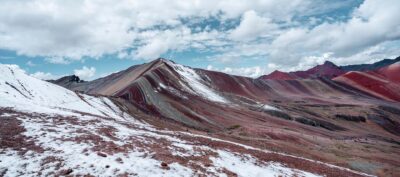
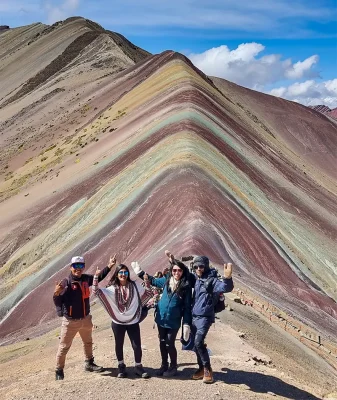
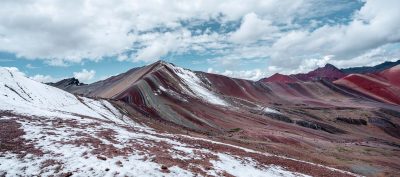
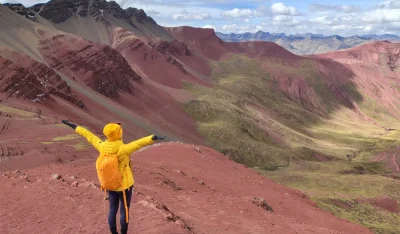
Reach Vinicunca 5,020 m before day tours. Explore Red Valley with no crowds. - 5 High Passes
Palomani 5,100 m, Q’ampa 5,100 m, Ausangate 5,100 m, Arapa 4,950 m, Jampa 4,900 m. - Lake Sibinacocha
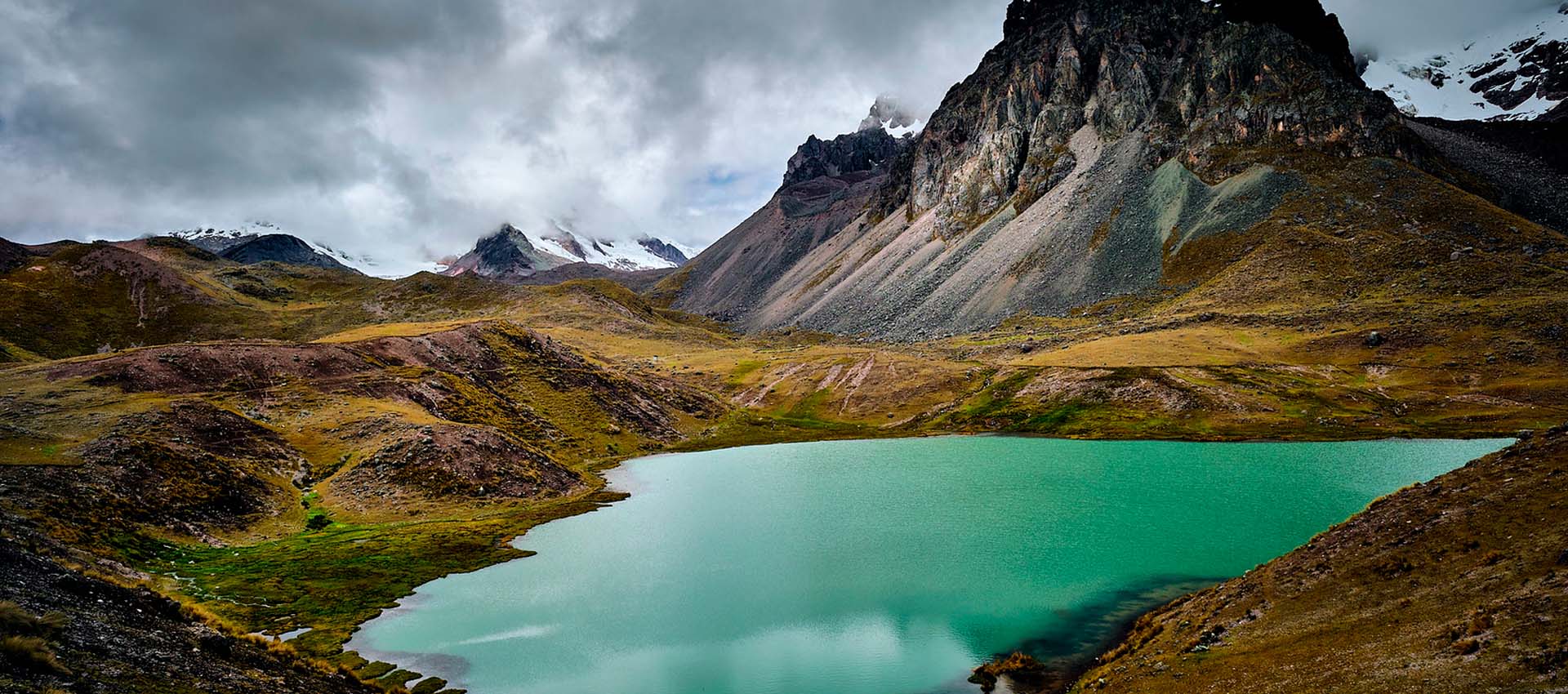
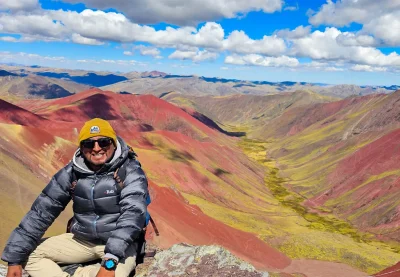
Trek to the largest glacial lake in Cusco at 4,870 m. - 7 Lakes Circuit
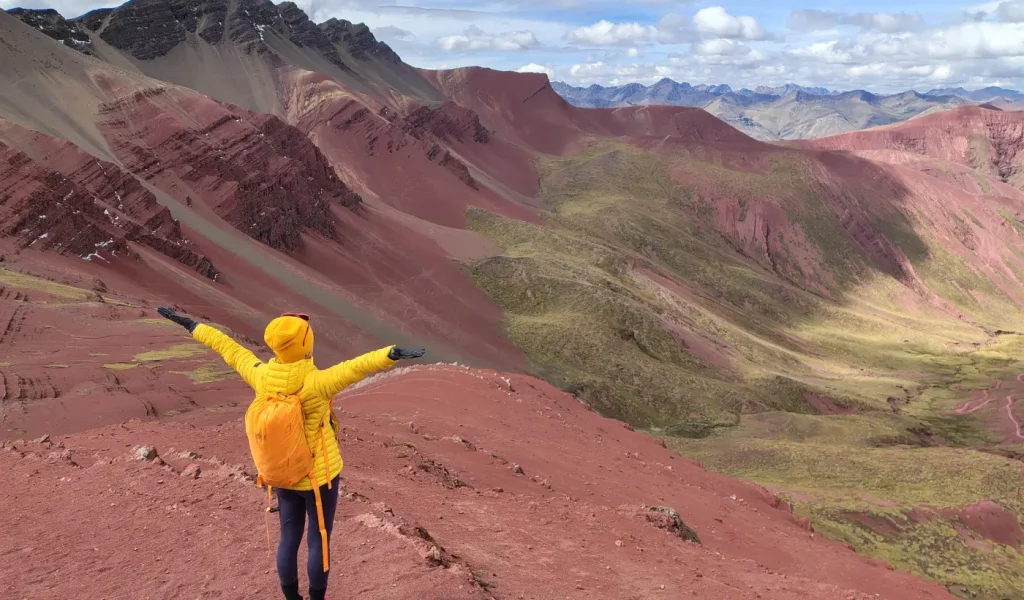
Complete sequence of Ausangate’s alpine lakes between 4,600 m and 4,800 m. - 4 Nights Camping
Three nights above 4,700 m for acclimatization. One night at Pacchanta for recovery. - Pacchanta Hot Springs
Natural thermal pools included on Day 6. - Small Groups and Full Support
Max 8 people. Local guides, horse team, dining tent, emergency oxygen, and satellite comms. - Wildlife and Culture
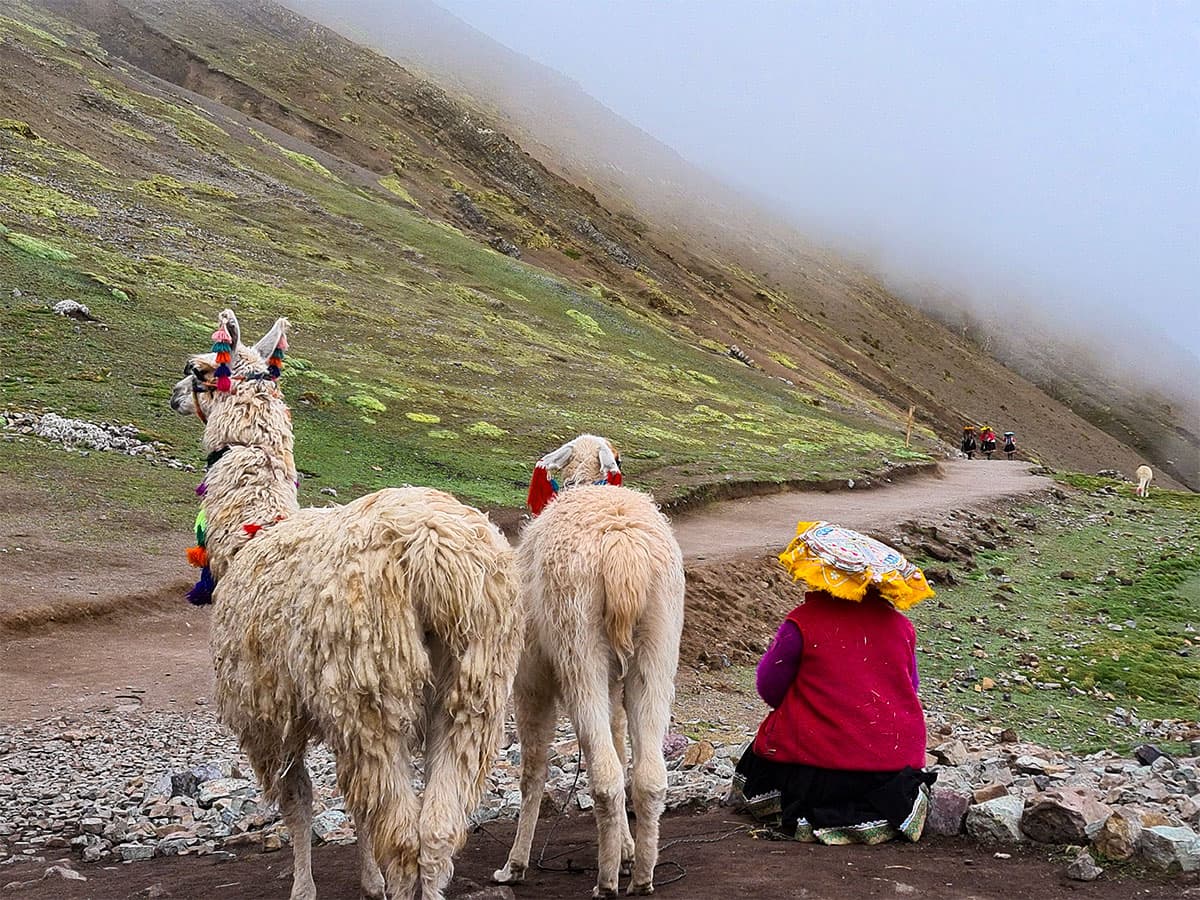
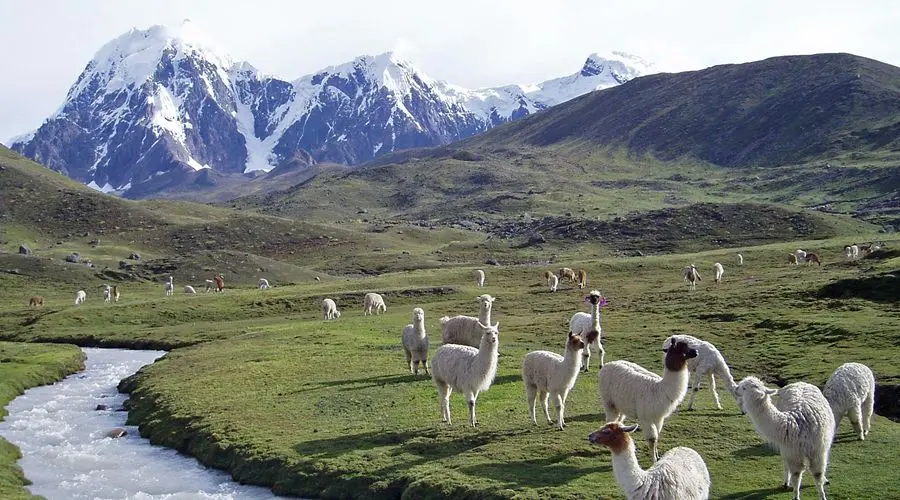
Vicuñas, Andean geese, and Quechua herding communities.
From
$757
/per person
Trip Details
Ausangate Grand Circuit with Rainbow Mountain Expedition
The 2026 Ausangate Grand Circuit, built around early access to Vinicunca and four days deeper into the Vilcanota Range. Designed for experienced trekkers who want Rainbow Mountain without the crowds, plus the complete 5-pass route, Lake Sibinacocha, the full 7 Lakes of Ausangate, and three nights above 4,700 m. Cross Palomani 5,100 m, Q’ampa 5,100 m, Ausangate 5,100 m, Arapa 4,950 m, and Jampa 4,900 m. Follow glacial lakes from turquoise to cobalt, camp under Ausangate peak, and finish in Pacchanta with thermal pools. Small groups of eight. Local guides from Cusco. A true expedition-grade circuit in six days, making every pass count.
Why Orange Nation?
We’re a family-owned trekking company from Cusco, 100% local, Cusqueñian. We run treks and tours across the region, and we focus on doing them well. That’s why we’re highly rated on TripAdvisor for organization, safety, and guide quality.
What to expect on the 6-day Ausangate Grand Circuit
- Small groups, max 8
You’ll spend four nights above 4,500m with three passes over 5,000m. Small groups mean steady pacing, close monitoring, and no crowds in remote terrain. - Local expert guides
Licensed Cusco guides, fluent in English, with degrees in tourism or history. All are Wilderness First Responder certified, complete annual high-altitude training, and carry satellite communication. They specialize in Ausangate’s glaciers, geology, and Quechua communities. - Built for acclimatization
Gradual ascent with two nights at 4,700m+ before the 5,100m passes. We adjust daily for weather and how the group is feeling. - Real food at altitude
Three fresh meals cooked daily at camp by our trek chefs — even at 4,870m. Vegetarian, vegan, and gluten-free available. Heated dining tent with tables and chairs. - Premium gear for high camp
- 4-season tents, 2 people per 4-person tent.
- Foam mats included, air mattresses to rent.
- Dining tent, toilet tent, duffel bags, pillows, rain covers.
- All gear owned and maintained in Cusco.
- Safety first in remote country
Emergency oxygen, full first aid kit, and satellite comms on every departure. Horsemen carry gear and are trained for evacuation. All staff are paid fair wages with full insurance. - Direct with our Cusco team
Book direct, no middlemen. Includes pre-trek briefing and free luggage storage in Cusco.
6-Day vs 4-Day
6-Day Ausangate Grand Circuit
- Duration 6 Days / 5 Nights
- Difficulty Expedition / High Altitude..
- Distance ∼75 km / 47 miles.
- Best for Experienced Trekkers / Full Expedition.
- Lodging Yes 4 Nights Camping.
- Details Summit Vinicunca at sunrise on Day 1, then continue over Palomani, Jampa, Q’ampa, and Ausangate Pass. Three nights above 4,700 m including Lake Sibinacocha 4,870 m. Full 7 Lakes sequence. Finish at Pacchanta hot springs.
- Access Complete Ausangate circuit with Lake Sibinacocha, 5 passes, and superior acclimatization.
4-Day Ausangate Circuit
- Duration 4 Days / 3 Nights.
- Difficulty Challenging / High Altitude.
- Distance ∼45 km / 28 miles.
- Best for Fit Travelers / Core Circuit.
- Lodging Yes 3 Nights Camping.
- Details Summit Vinicunca at sunrise on Day 1, then continue over Palomani, Q’ampa, and Ausangate Pass. Two nights at 4,800 m. Full 7 Lakes sequence. Finish at Pacchanta hot springs.
- Access Core Ausangate circuit with proper acclimatization and three 5,100 m passes.
The main difference is depth. The 6-day circuit adds Lake Sibinacocha, Arapa Pass 4,950 m, Jampa Pass 4,900 m, and one additional night above 4,600 m. The 4-day covers the classic core route. The 6-day is the complete expedition with zero day-tour overlap after Day 1.
Who it’s perfect for
- High-Altitude Trekkers
Who want sustained time above 4,500 m, five passes above 4,900 m, and four nights camping at altitude, not a compressed loop. - Photography Enthusiasts
Looking for empty ridgelines, Lake Sibinacocha at dawn, Milky Way over Ausangate, and sunrise on Vinicunca without crowds. - Acclimatized Travelers
Who’ve been in Cusco or the Sacred Valley and want to use that fitness for the most comprehensive Ausangate route available. - Quiet-Seekers
Who prefer small groups and remote camps like Ananta and Sibinacocha over bus lines and viewpoints.
Other Expeditions to Consider
- Classic Inca Trail
For trekkers wanting the archaeological route to Machu Picchu, the 4-Day Inca Trail remains the only trek that enters through the Sun Gate. - 4-Day Ausangate Circuit
For fit travelers with less time, the 4-Day covers Vinicunca, three 5,100 m passes, and the 7 Lakes with two nights at 4,800 m. - Cultural Trek
For a lower-altitude experience focused on communities, the 4-Day Lares Valley Trek moves through weaving villages and hot springs.
Full Itinerary
Included
- Transit
Private round-trip van transfer from your Cusco hotel to Tinqui trailhead and back. - Pro Guide
English-speaking mountain specialist trained in high-altitude safety, WFR certified, and expert in Andean geography and Quechua culture. - Permits
All entrance fees included Rainbow Mountain, Red Valley, 7 Lakes circuit, Lake Sibinacocha, and Pacchanta Hot Springs. - Portage
Up to 7 kg of personal gear carried by the horse support team. - Gear
Personal duffel bag provided for your luggage on horses. - Sleep
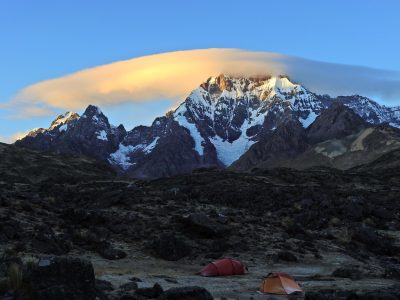
Spacious 4-season tents plus insulated sleeping mats for four nights camping above 4,300 m. - Camp
Full camp setup dining tent, kitchen tent, and private toilet tent at every campsite. - Rescue
Dedicated emergency horse available if you need to ride due to fatigue or altitude.
Emergency oxygen bottle and comprehensive first aid kit on all treks. Satellite communication carried by guide. - Dining
Professional chef-prepared meals using local ingredients 5x breakfast, 6x lunch, 5x dinner. All dietary requirements catered for. - Briefing
Pre-trek briefing in Cusco to review gear, altitude, route, and Lake Sibinacocha section. - Soak
Entrance to Pacchanta Hot Springs included on Day 5.
Not Included
- Meals
Breakfast on Day 1 and dinner on Day 6 in Cusco after return. - Sleeping Bag
$25 USD per trek clean, -15°C rated, provided if needed. - Air Mattress
$25 USD per trek Therm-a-Rest upgrade for extra comfort at 4,800 m. - Trekking Poles
$20 USD per pair per trek adjustable professional poles available to rent. - Single Tent
$30 USD per trek private tent upgrade for solo travelers. - Insurance
Travel insurance required for all treks above 4,000 m. Must cover high-altitude trekking and emergency evacuation. - Tips
Tips for the crew, guide, cook, and horsemen. Discretionary but appreciated. We recommend 80 to 120 soles per trekker for the full team.
Pricing
This trek departs any day of the week with a minimum of two people.
2 to 8 people $757 USD per person
Price includes personal pack horse carrying up to 7 kg of your gear. Duffel bag provided.
Large Eureka 4-person tents provided for every 2 trekkers.
Discounts
- Group
$30 off per person for groups of 5 or more when booked together.
Upgrades
- Sleeping Bag
-15°C rated sleeping bag rental available for $20 per trek. - Air Mattress
Therm-a-Rest upgrade available for $20 per trek. - Poles
Professional collapsible trekking pole rental available for $15 per pair. - Solo
Private tent supplement available for $30 per trek.
Added Value
- Airport
Private arrival transfer from Cusco airport to your hotel included. - Duffel
Duffel bag and waterproof liner provided for horse transport. - Portage
Up to 7 kg personal gear carried by horse support team included. - Sleep
High-density foam mattresses and camping pillows provided. - Warmth
Thick blanket and hot water bottle provided for sleeping bag. - Water
Boiled drinking water provided daily at camp. - Safety
Emergency oxygen bottle and comprehensive first aid kit included. - Rescue
Dedicated emergency horse on standby throughout the trek.
2026 Ausangate Packing List
Prepare for sub-zero nights at 4,800 m, three 5,100 m passes, and strong high-altitude sun with this essential trekking checklist.
Essentials
- Passport
Original passport must match your 2026 booking details. - University ID
Original card required for student discount eligibility. - Daypack 30L to 40L
With integrated rain cover for daily essentials. - Boots
Sturdy hiking boots with deep-tread ankle support. Must be broken in. - Water
2 to 3 L capacity carried in reusable bottles or hydration system. - Headlamp
Required for early starts and camp use after dark. - Cash
Peruvian soles in small bills for drinks, hot springs, and gratuities.
Duffel Bag Carried by Horse
As a direct local operator we provide you with a duffel bag at your briefing and include a horse team to carry up to 7 kg or 14 lbs including your sleeping bag, mattress, and extra clothing.
- Thermals
Base layers suitable for freezing nights at 4,800 m. - Down Jacket
Rated to -15ºC for high-altitude wind and cold. Essential for nights 1 and 2. - Sleeping Bag
-15ºC rated. Rentals available from us if needed. - Hiking Clothes
2 T-shirts, 2 hiking pants, 4 sets undergarments, 3 sets hiking socks. - Bathing Suit
For Pacchanta Hot Springs on Day 4. - Footwear
Lightweight camp shoes or sandals for evenings. - Winter Gear
Waterproof gloves and insulated warm hat. Temps around 3ºC at high camps. - Toiletries
Personal hygiene items, travel towel, face moisturizer, wet wipes. - Power
High-capacity portable battery bank for charging devices. No electricity on trek. - Towel
Quickdry towel. We provide small ones, you might prefer something larger. - Soap
Small bottle of soap. We provide warm water each day to wash. - Plastic Bags
Large waterproof bags provided at the office for organizing gear. Please ask for them.
Trail Daypack Carried by You
We highly recommend a small backpack 30 to 40 L for hiking in the day. The remainder of your belongings will be in your duffel bag at camp.
- Rain Gear
GORE-TEX shell jacket or high-quality waterproof poncho and pants. - Sun Protection
SPF 50+ sunscreen, sun hat, and UV-protective sunglasses. UV is extreme above 4,500 m. - Wool Hat
For early mornings and high passes. - Fleece
Mid layer for variable temperatures during the day. - Trekking Poles
Essential for steep ascents, descents, and three 5,100 m passes. - Headlamp
Required for pre-dawn start to Rainbow Mountain. - Water
Supply your own water until the first lunch spot, then we provide cold boiled water at every meal. - Snacks
Chocolate bars, cereal bars, or dry fruits for energy between meals. - Camera
With extra battery. Cold drains batteries fast. - Medication
Altitude medication and any personal prescriptions. - First Aid
Band aids, moleskin, and blister care. - Sanitation
Hand sanitizer, toilet paper, and small plastic bag for waste - Insect Protection
Light repellent. Minimal bugs at altitude but can be present near Pacchanta.
Trail Tips
- Battery Life
Keep phones and batteries warm in jacket pocket or sleeping bag to preserve charge. - UV Protection
Reapply sunscreen regularly, especially at 5,020 m Vinicunca and on passes. - Hydration
Drink at least 3 L of water daily to prevent altitude sickness. - Layering
Use adaptable clothing for freezing mornings and strong sun by midday. - Dry Bags
Keep clothing in duffel waterproofed against snow, rain, and camp condensation. - Acclimatization
Move slowly on Day 1. Two nights at 4,800 m help, but listen to your body.
Circuits & Safety
The 6-Day Ausangate Grand Circuit follows a carefully designed expedition route through the Vilcanota Range, combining early access to Vinicunca, five passes above 4,900 m, three nights of acclimatization above 4,700 m, Lake Sibinacocha, and the full 7 Lakes sequence.
The route is structured to maximize altitude adaptation by distributing the trek over six days, allowing the body to adjust progressively before crossing Palomani Pass, Jampa Pass, Q’ampa Pass, and Ausangate Pass, and sleeping three nights above 4,700 m with the highest camp at 4,870 m.
Route Structure
- Altitude Management
The itinerary is designed for staged acclimatization with three nights sleeping above 4,700 m and a highest camp at 4,870 m. This significantly reduces the risk of altitude-related illness compared to compressed tours. We ascend gradually and sleep lower on night five to aid recovery. - Emergency Support
All guides carry emergency oxygen and a comprehensive first aid kit. Staff are trained to respond to altitude-related symptoms, AMS, and basic mountain emergencies. A dedicated emergency horse is on standby for evacuation if needed. - Professional Guide Supervision
Certified English-speaking guides supervise all trekking sections, maintaining group pace, monitoring health conditions, and ensuring safe progression at altitude. Guides are WFR trained and carry satellite communication. - Weather & Terrain Awareness
Routes are continuously assessed based on mountain conditions. The guide may adjust timing, pacing, or route order depending on weather, visibility, and group performance. High passes including Jampa and Palomani can close due to snow.
Safety Management
- Altitude Management
The itinerary is designed for staged acclimatization with three nights sleeping above 4,700 m and a highest camp at 4,870 m. This significantly reduces the risk of altitude-related illness compared to compressed tours. We ascend gradually and sleep lower on night five to aid recovery. - Emergency Support
All guides carry emergency oxygen and a comprehensive first aid kit. Staff are trained to respond to altitude-related symptoms, AMS, and basic mountain emergencies. A dedicated emergency horse is on standby for evacuation if needed. - Professional Guide Supervision
Certified English-speaking guides supervise all trekking sections, maintaining group pace, monitoring health conditions, and ensuring safe progression at altitude. Guides are WFR trained and carry satellite communication. - Weather & Terrain Awareness
Routes are continuously assessed based on mountain conditions. The guide may adjust timing, pacing, or route order depending on weather, visibility, and group performance. High passes including Jampa and Palomani can close due to snow. - Group Control & Safety Ratios
Small groups maximum 8 travelers allow close supervision and controlled movement throughout the trek, especially during high-altitude sections, remote Sibinacocha basin, and five pass crossings.
Risk Management Note
This trek operates in a high-altitude environment between 4,300 m and 5,100 m with three nights camping above 4,700 m and one night at 4,870 m.
While the route is designed for safety and gradual acclimatization, participants should be in excellent general health and prepared for cold temperatures, remote terrain, variable mountain conditions, and strenuous hiking at altitude.